After the Assassination of Mayor Carlos Manzo — A Portrait of Uruapan at the Center of Mexico’s Cartel Conflict
The killing of Carlos Manzo, the 40-year-old mayor of Uruapan, has drawn national attention to one of Mexico’s most volatile regions. Uruapan is the hub of the country’s multibillion-dollar avocado industry, but also a strategic battleground in Michoacán, the state with the highest number of murdered mayors. Manzo had become a rare local figure openly confronting the criminal groups that dominate the region — a territory contested by the Jalisco New Generation Cartel (CJNG), Los Viagras, and the United Cartels coalition. Their fight is fueled by extortion of avocado producers and the struggle for access to Pacific ports where precursor chemicals from China enter the country for meth and fentanyl production.
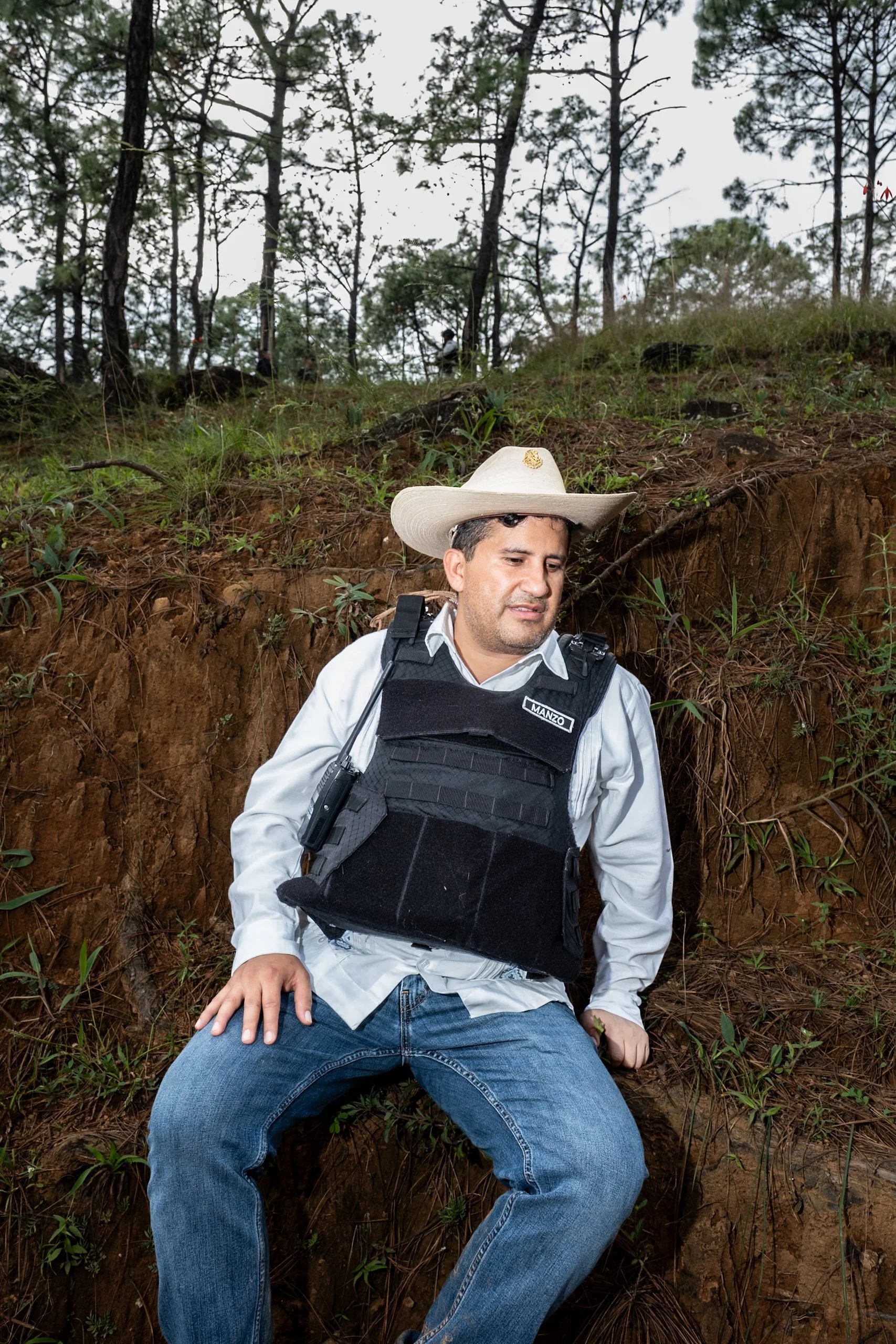
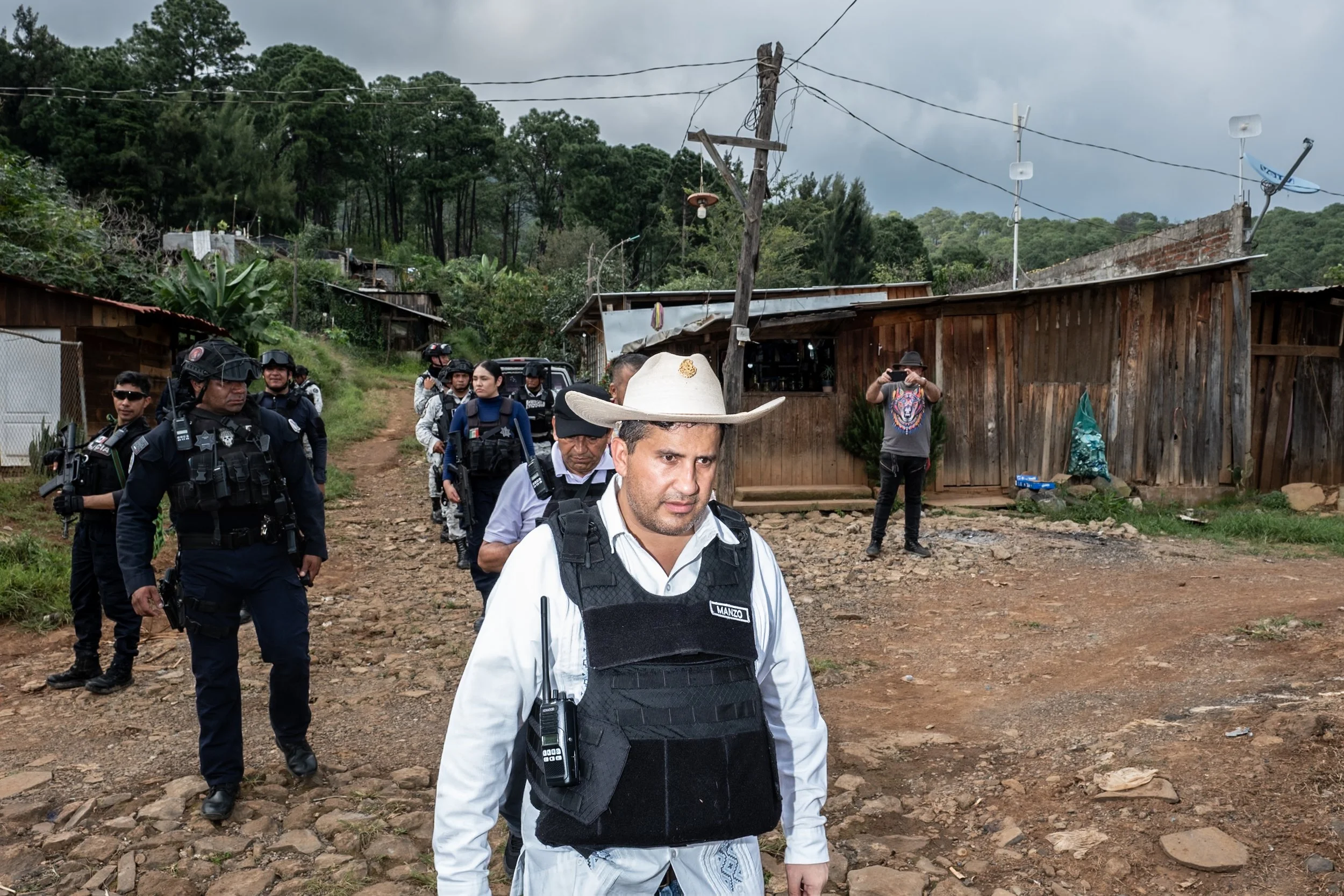
In this landscape of shifting control, several rural and Indigenous communities have reactivated or reorganized autodefensa (self-defense) groups, filling the security vacuum left by the state. Before his assassination, Manzo personally joined daily patrols with police and soldiers, moving through the most dangerous areas around Uruapan. Recent clashes near the Purépecha community of Tiamba — where abandoned orchards have become frontlines — illustrate the fragmentation and intensity of the conflict.
This reportage proposes a closer look at the region where Manzo lived and was killed, examining how cartel warfare, community militias, and an international agricultural economy intersect in one of Mexico’s most dangerous corridors. The pitch is supported by images from a recent trip to Michoacán, including patrols with Manzo shortly before his death and encounters with autodefensa groups operating around Uruapan.

A member of the Indigenous self-defense (autodefensa) community of Nurío, on the outskirts of Uruapan, keeps watch at the community’s entrance.
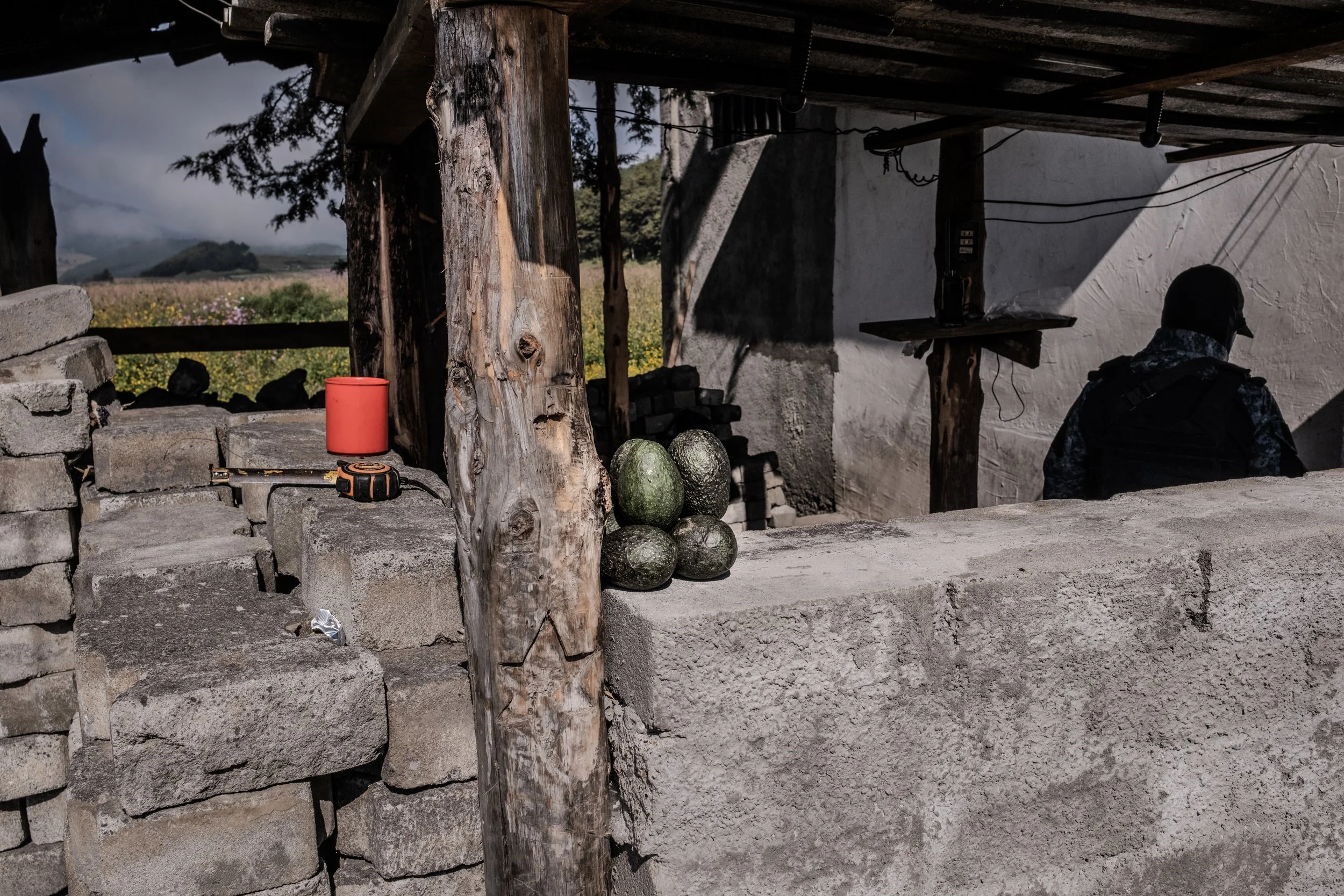
Avocados on a barricade at a checkpoint in Nurio, an Indigenous autodefensa (self-defense) community outside Uruapan, in Michoacán.

A view of the main square in the Indigenous self-defense (autodefensa) community of Nurio, on the outskirts of Uruapan.
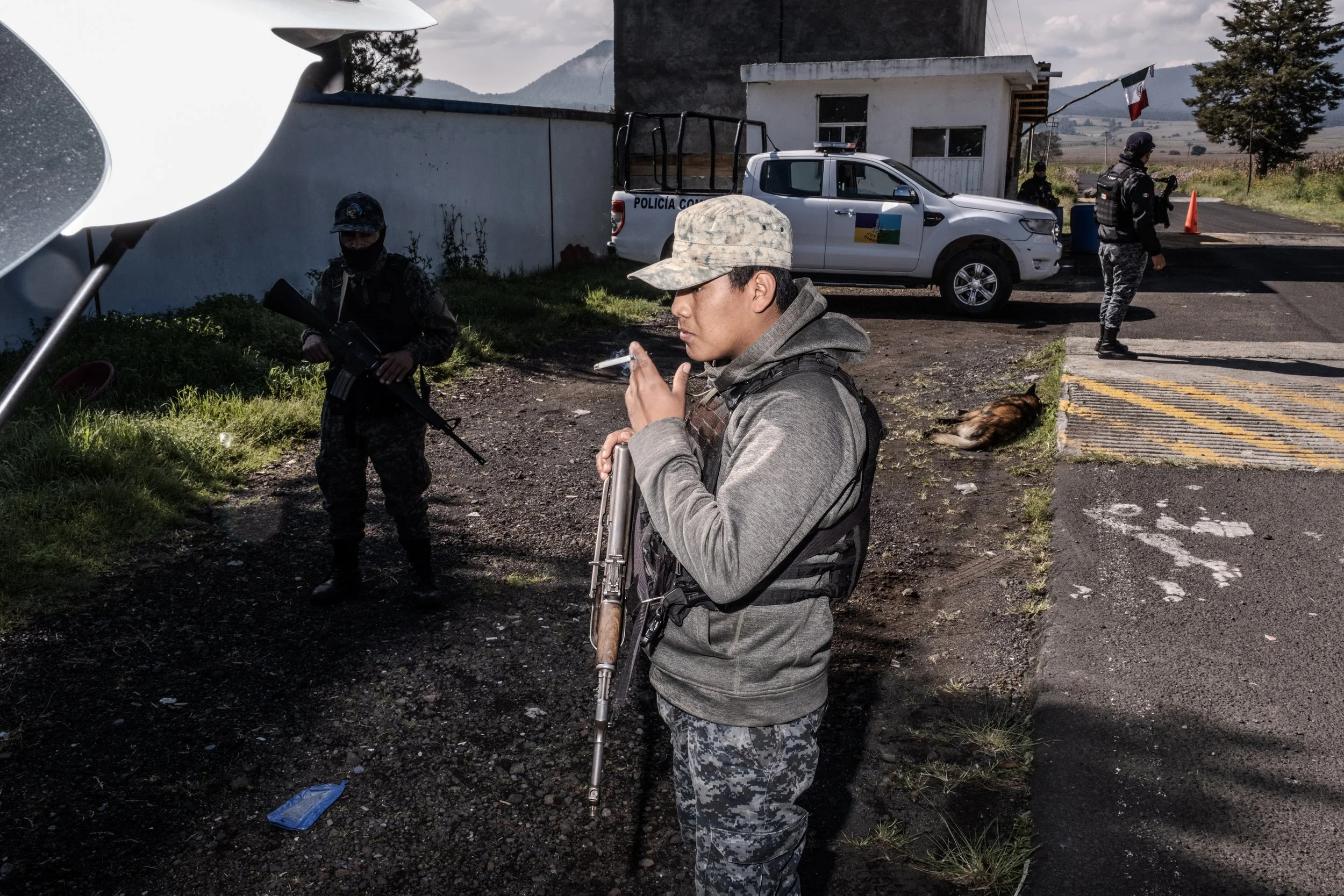
A checkpoint at the entrance to the Indigenous self-defense (autodefensa) community of Nurío, on the outskirts of Uruapan.
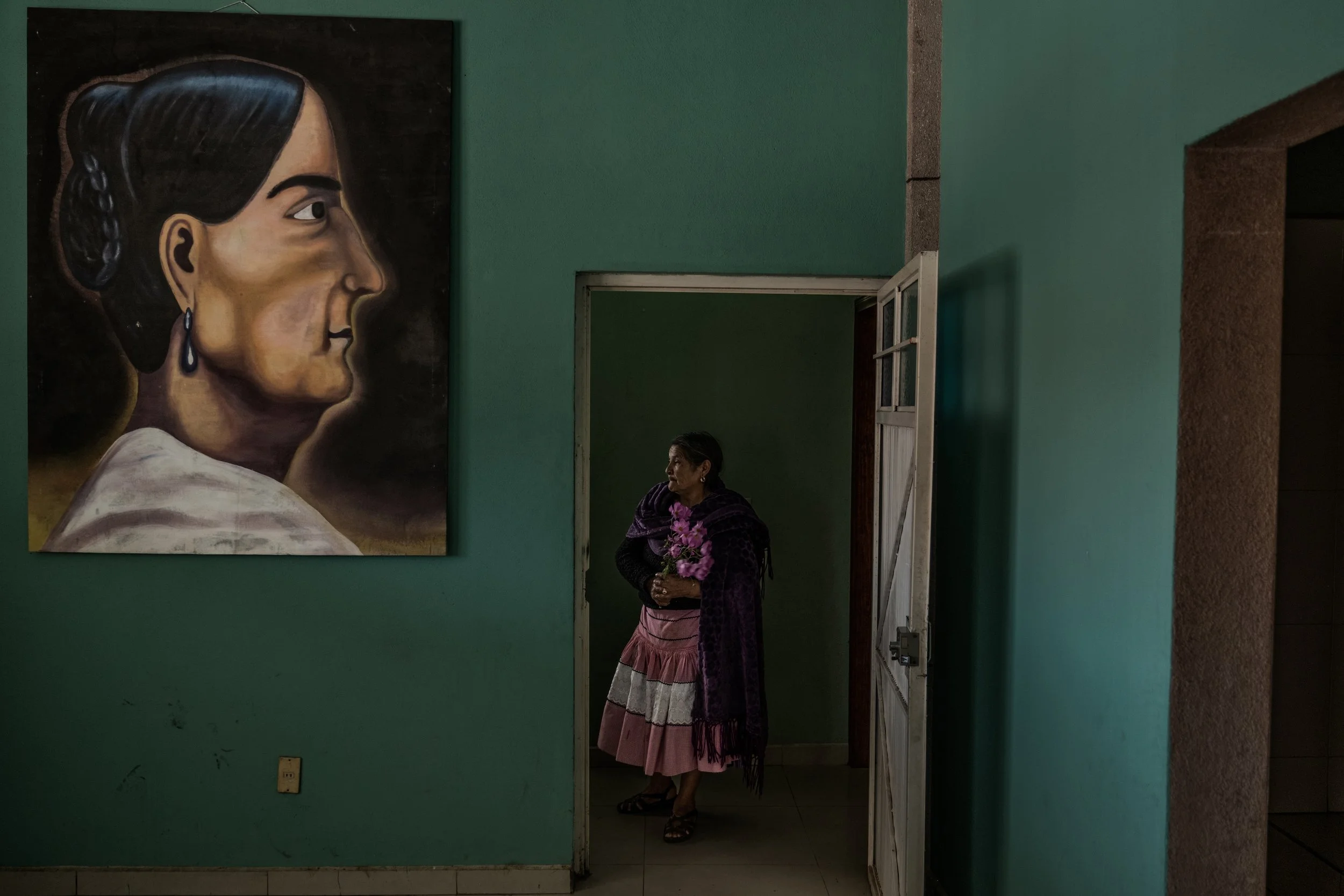
Indigenous woman inside the town hall of the self-defense (autodefensa) Indigenous community of Nurio, on the outskirts of Uruapan.
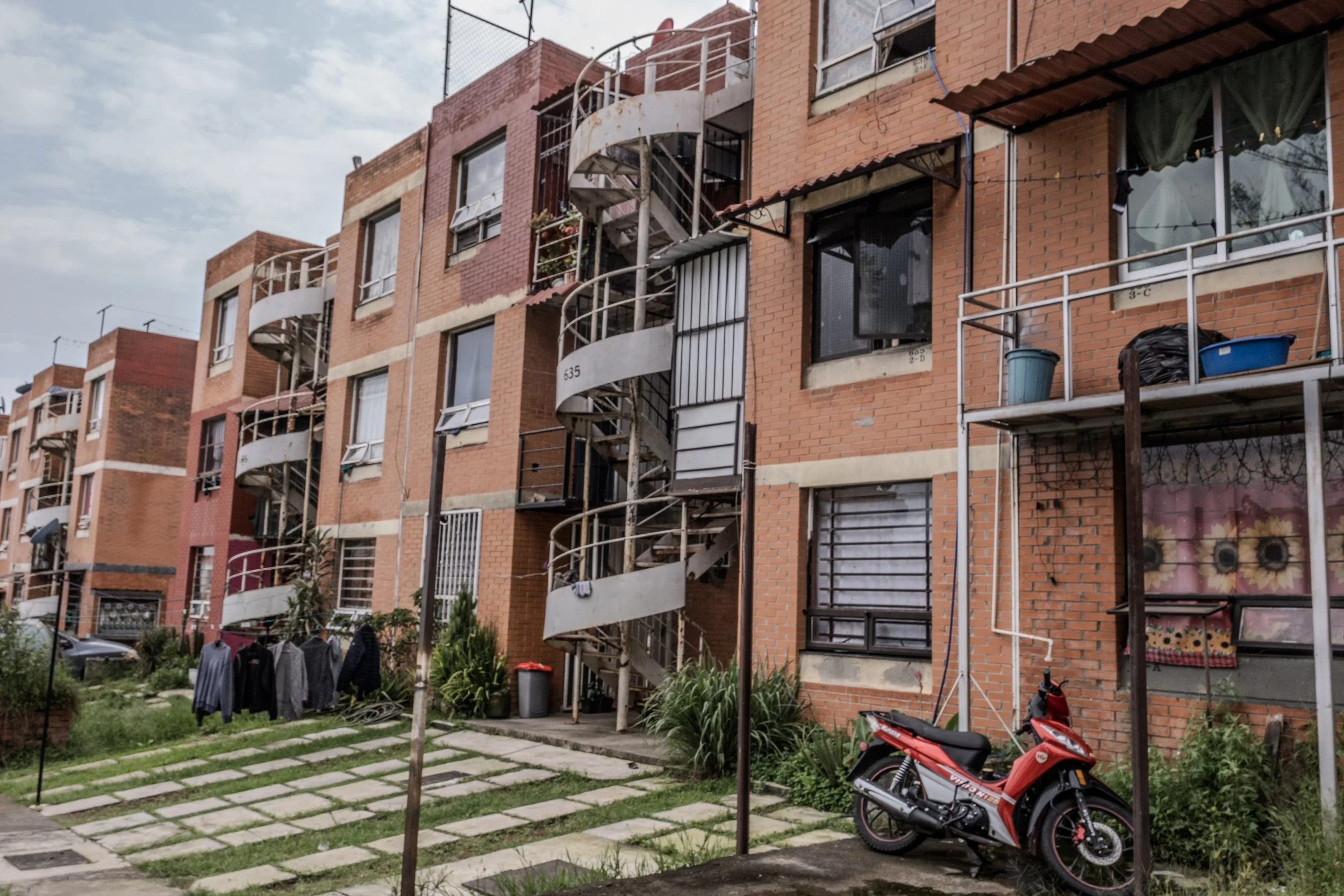
Poor neighborhood in Uruapan with a strong presence of cartel members.

Mexican police and soldiers patrol a dangerous neighborhood in Uruapan after pursuing suspected cartel members who fled into a nearby park following a gunfight.
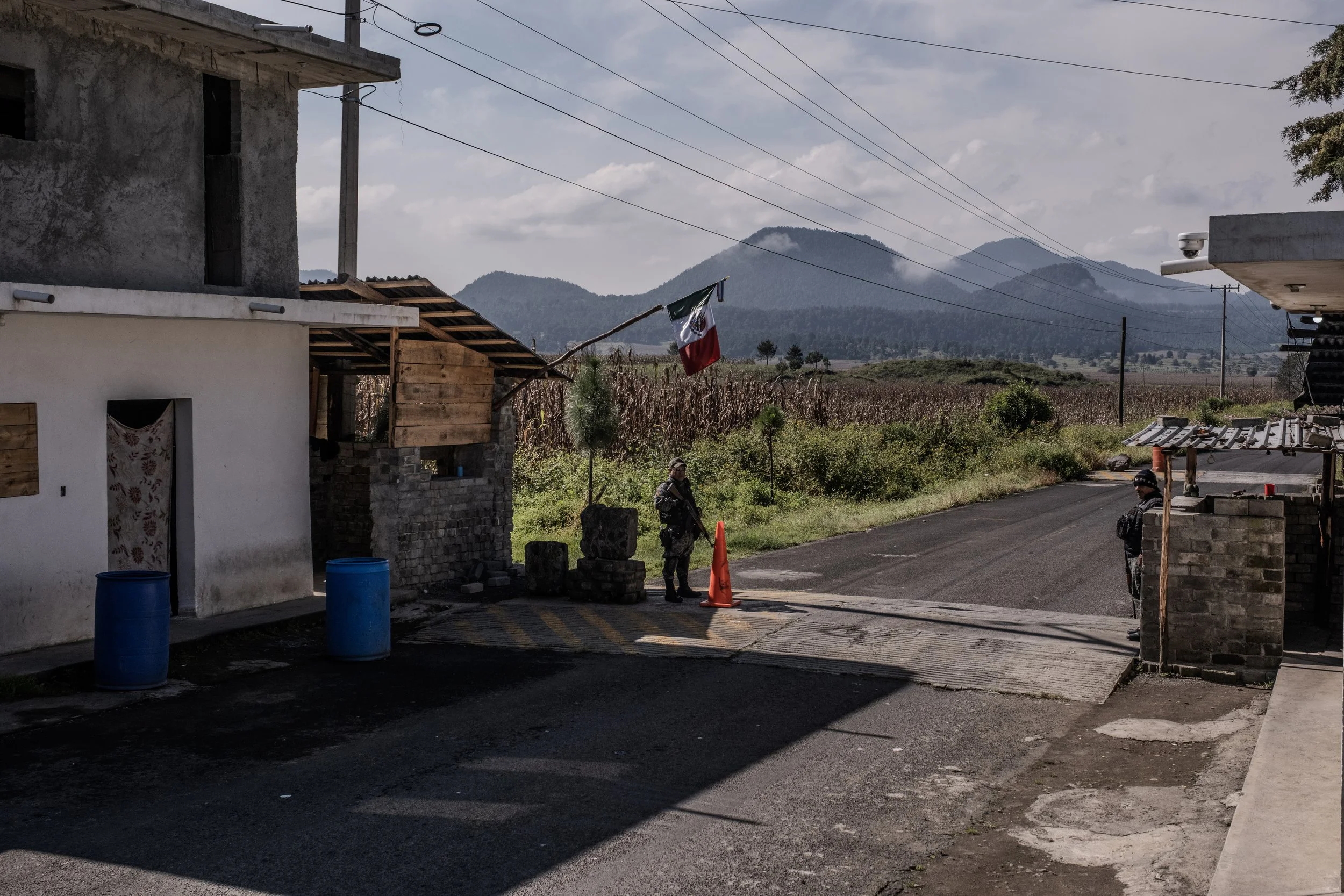
A checkpoint at the entrance to the Indigenous self-defense (autodefensa) community of Nurío, on the outskirts of Uruapan. Several nearby communities have declared autonomy from the Mexican state and organized local militias to defend their territory from criminal groups.

A member of the self-defense (autodefensa) community of San Ángel mans a checkpoint on the road leading into the town, located on the outskirts of Uruapan. Several nearby communities have declared autonomy from the Mexican state and armed themselves in local militias to protect their territory.