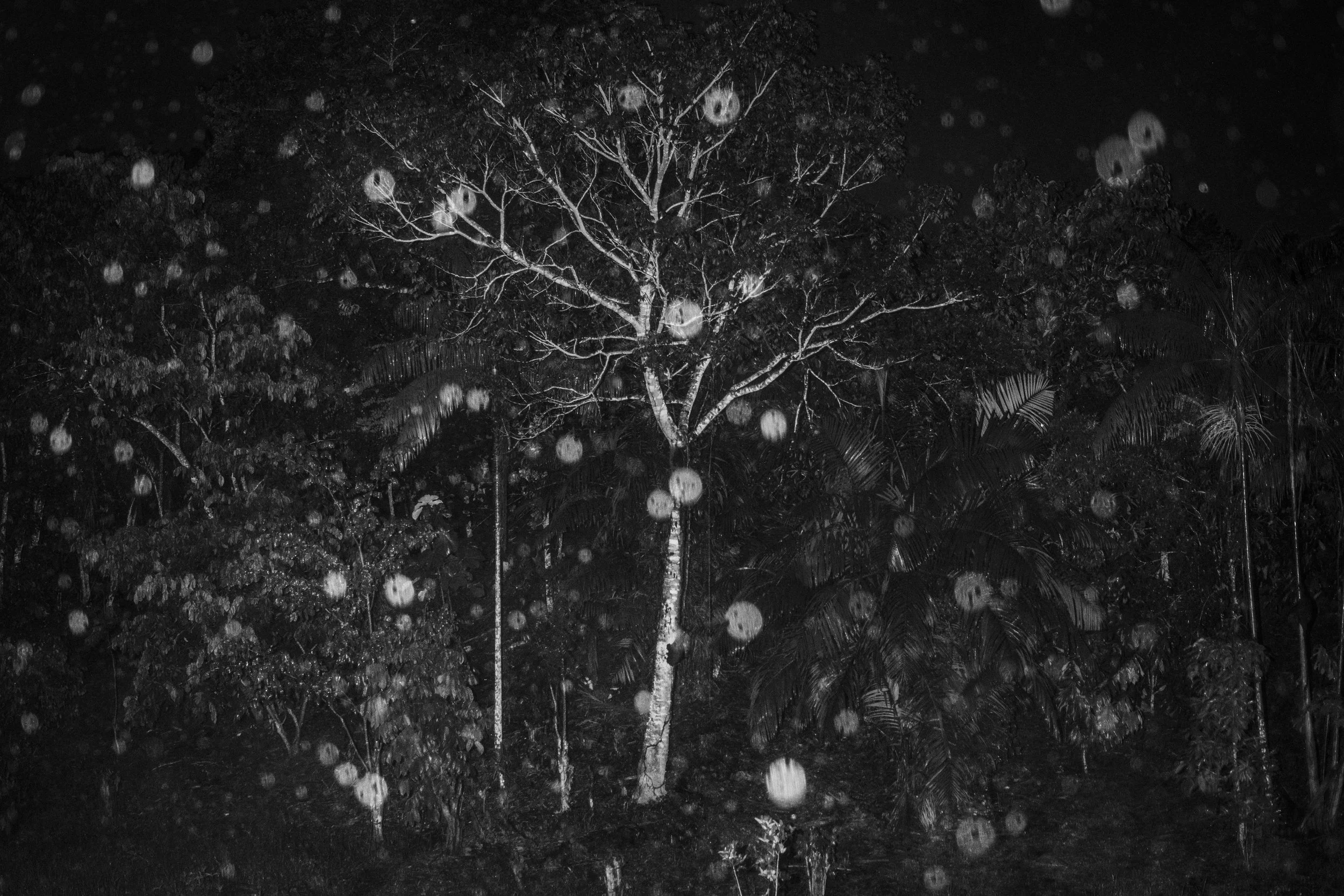
Vegetation at night in the Vale do Javari Indigenous Territory, one of the most remote and biodiverse regions of the Amazon rainforest.
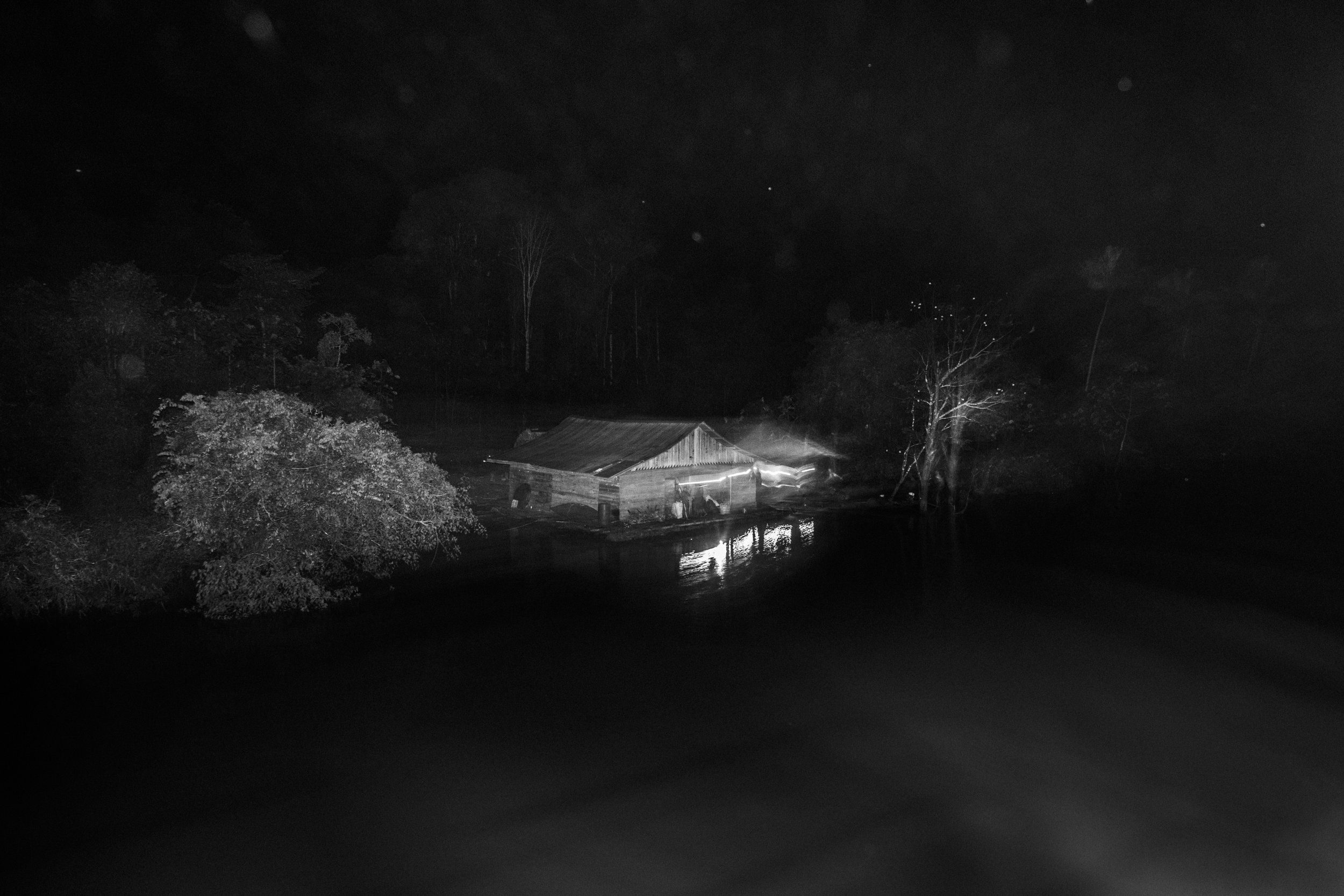
A stilt house in a small riverine settlement on the banks of the Javari River, Brazil.
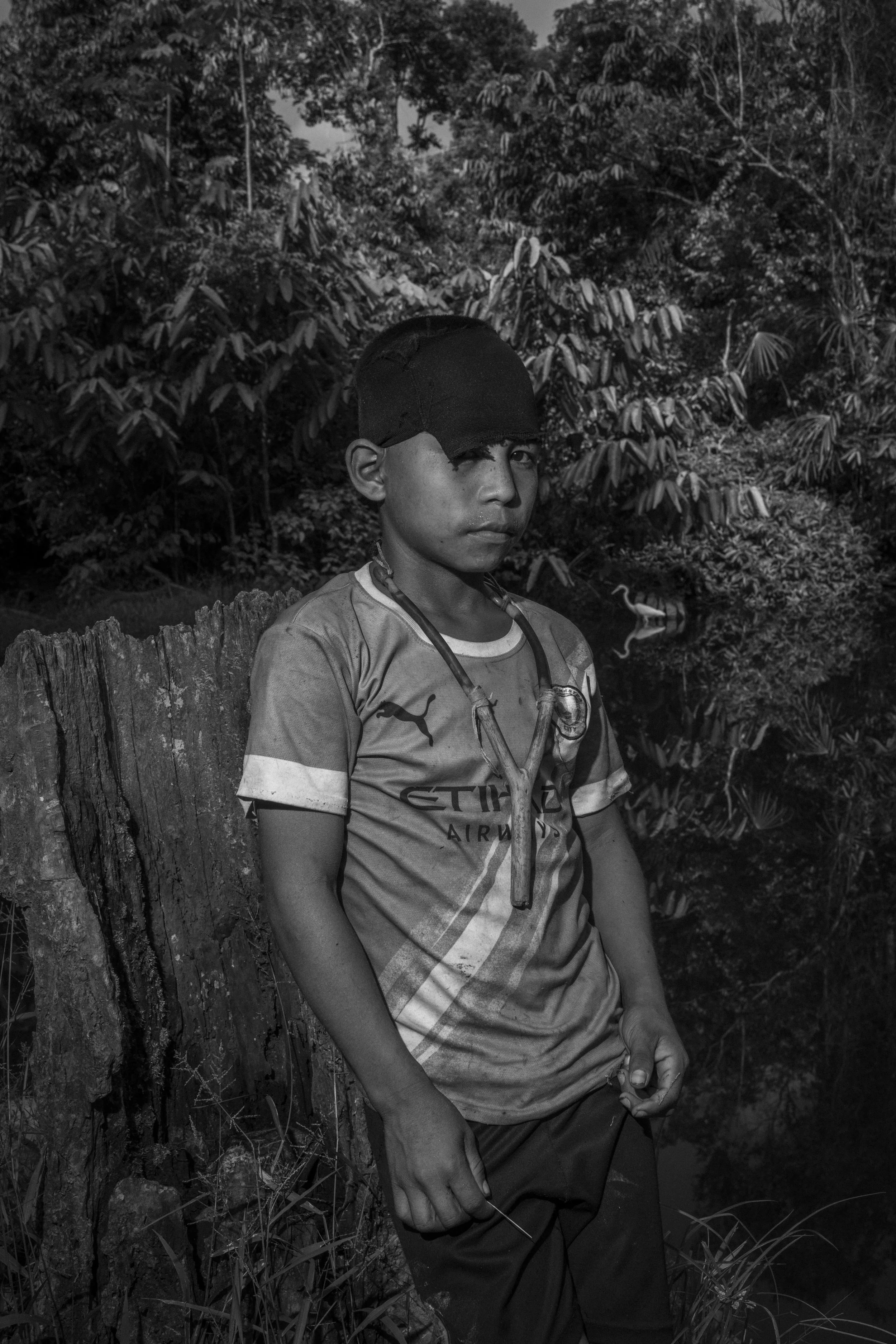
A Mayoruna child holding a slingshot in Aldeia Flores, a Mayoruna Indigenous village along the Curuçá River within the Javari Indigenous Territory, Brazil.
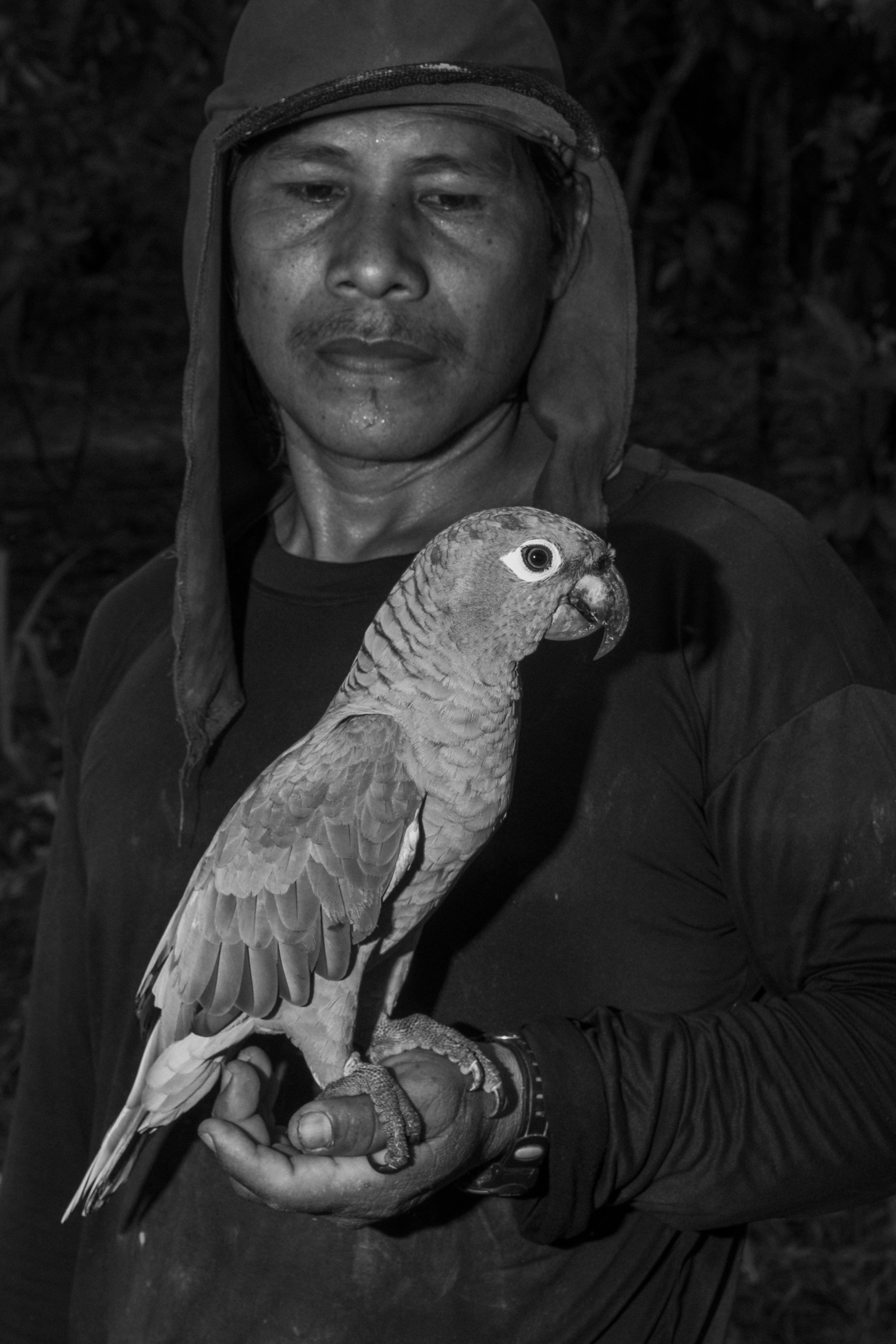
A Mayouruna man holding a parrot in Aldeia Flores, a Mayouruna Indigenous village along the Curuçá River within the Javari Indigenous Territory, Brazil.
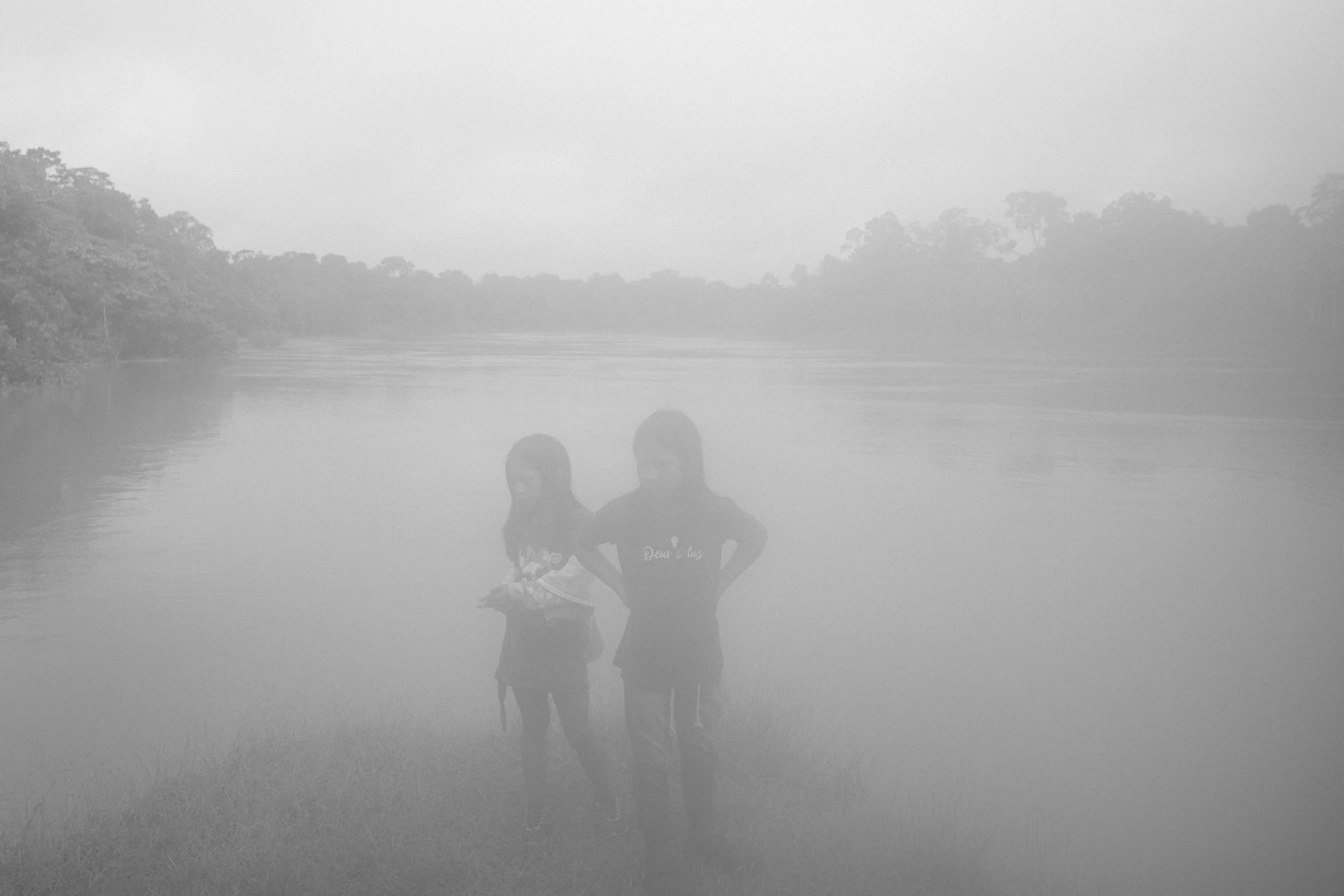
Two young Mayoruna girls are seen early in the morning on the Curuçá River, inside the Vale do Javari Indigenous Territory, waiting to be seen by a team of doctors and dentists visiting their village to provide medical care to the community.
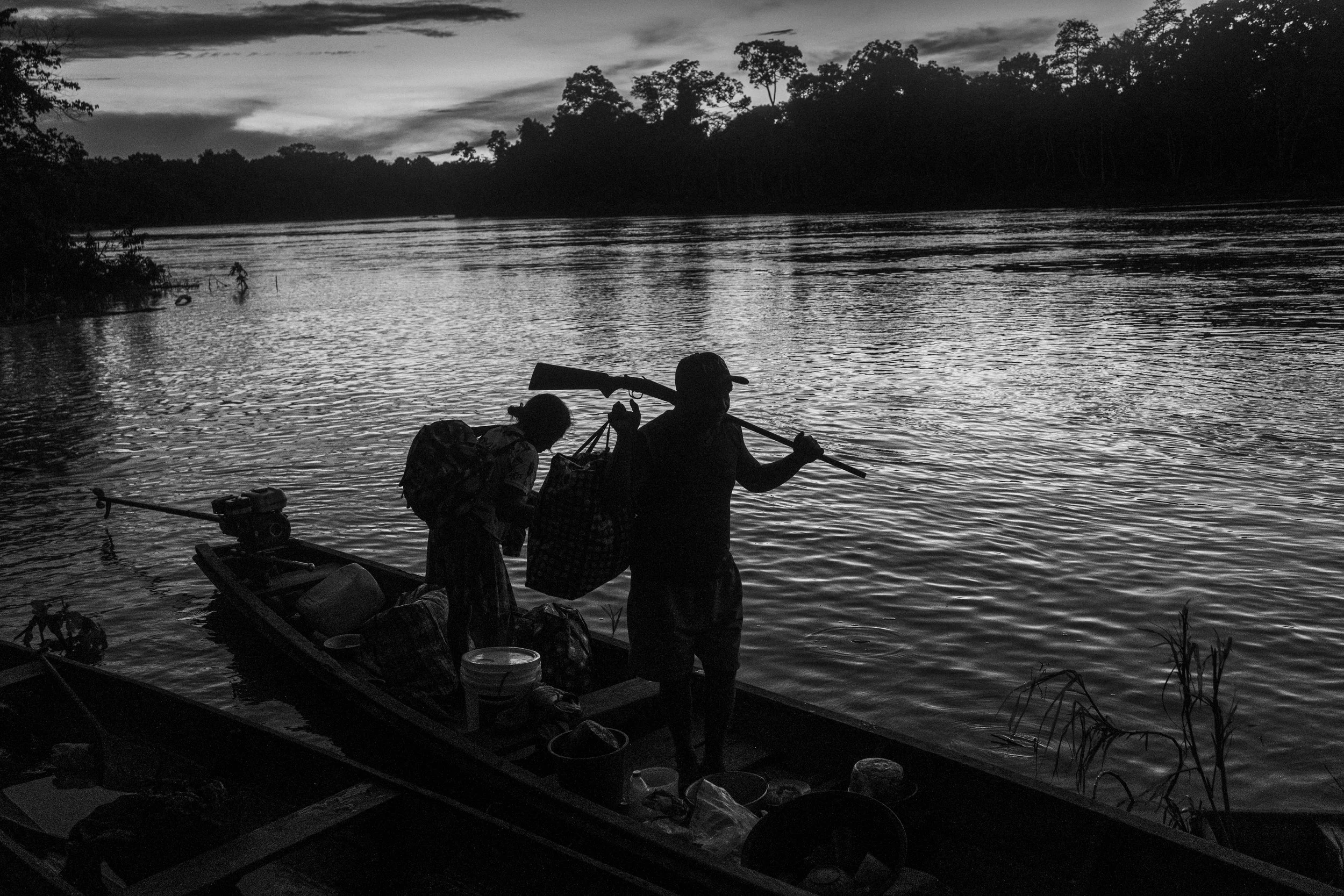
A Mayoruna family returns to their village after several days spent fishing and hunting along the Curuçá River in Brazil's Vale do Javari Indigenous Territory.
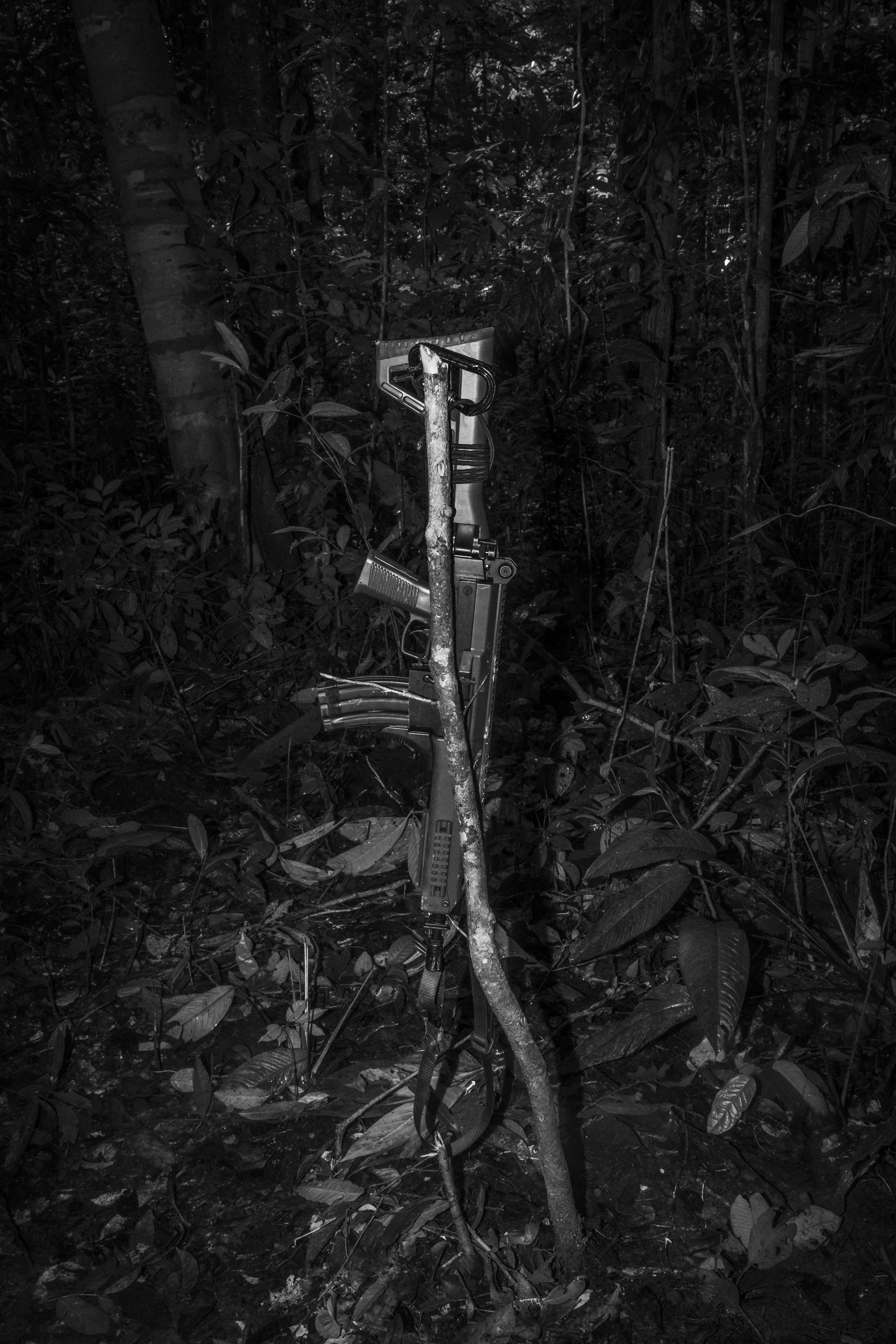
An IMBEL IA2 rifle carried by a member of the Brazilian Army’s special Selva unit during a patrol along a jungle trail near the Brazil–Colombia border. Located in the tri-border region between Brazil, Peru, and Colombia, the Vale do Javari Indigenous Territory has increasingly become vulnerable to the expansion of criminal organizations seeking to exploit its strategic routes and natural resources.
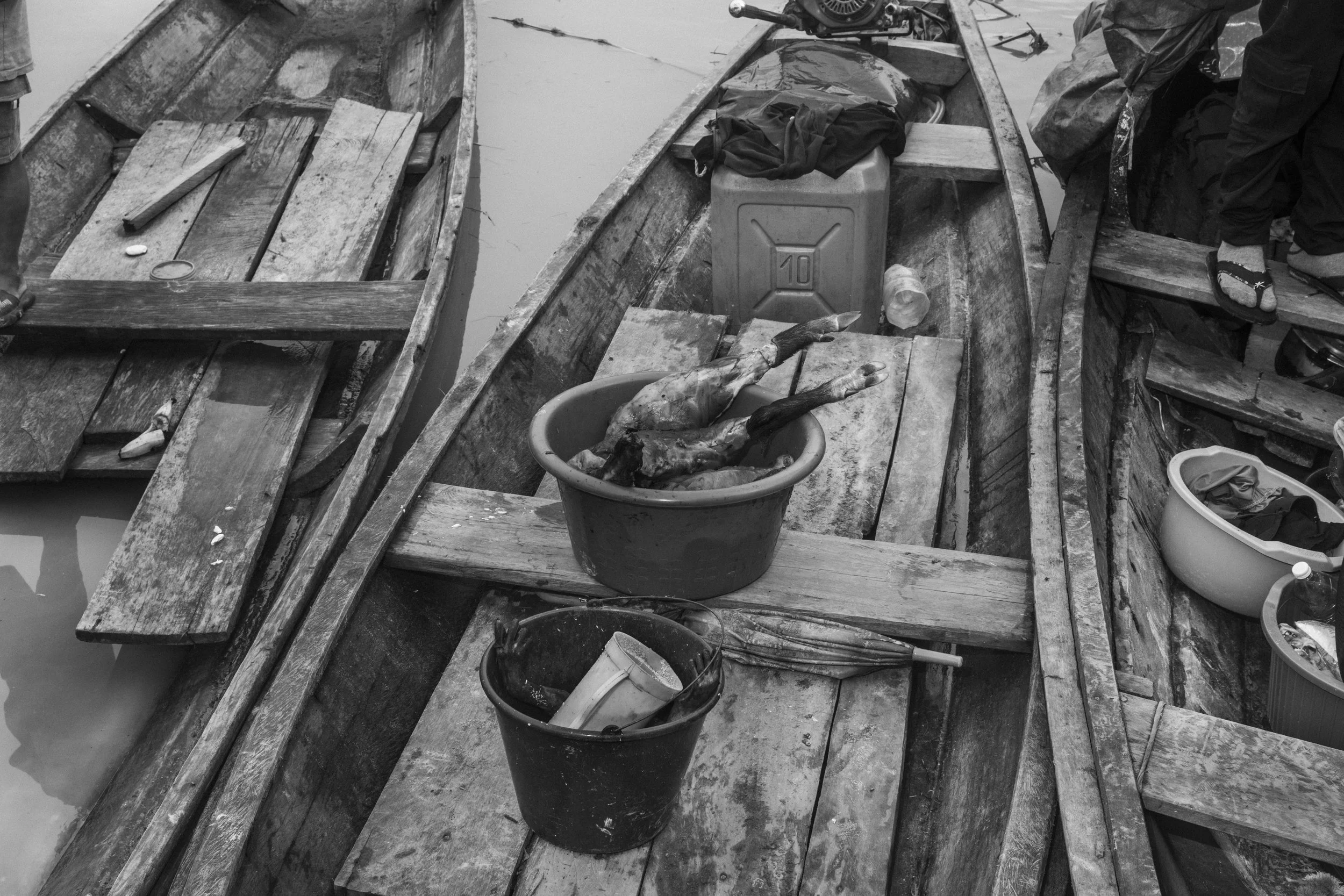
Mayuruna hunters return by canoe to the village of Flores, in the Vale do Javari Indigenous Territory, carrying buckets filled with tapir legs and monkey arms after several days of hunting along the Curuçá River.
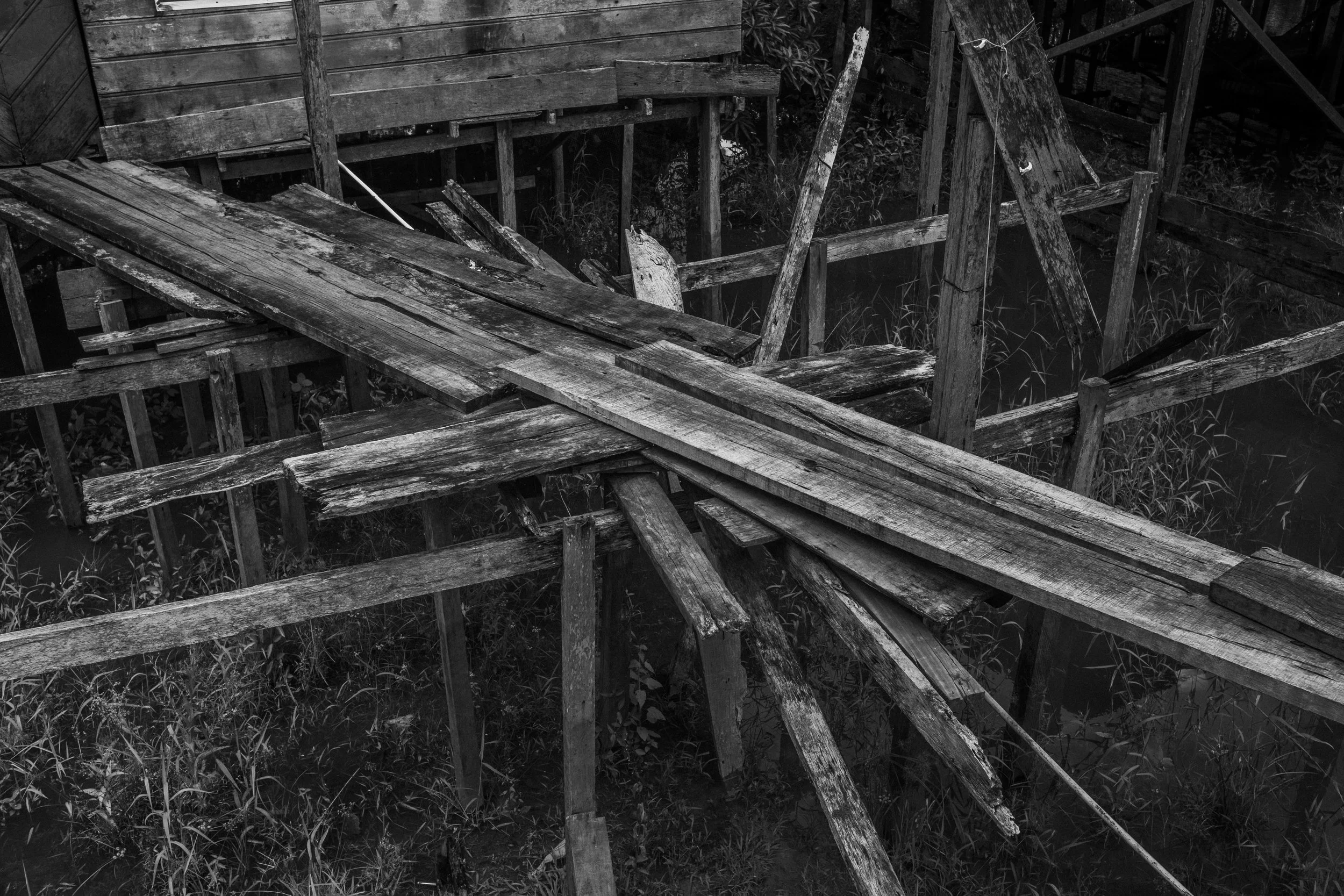
A damaged wooden walkway runs through the stilt houses of Islandia, a riverine town on the Peruvian side of the Javari River built entirely above the water. The community serves as one of the main gateways to the Vale do Javari Indigenous Territory.
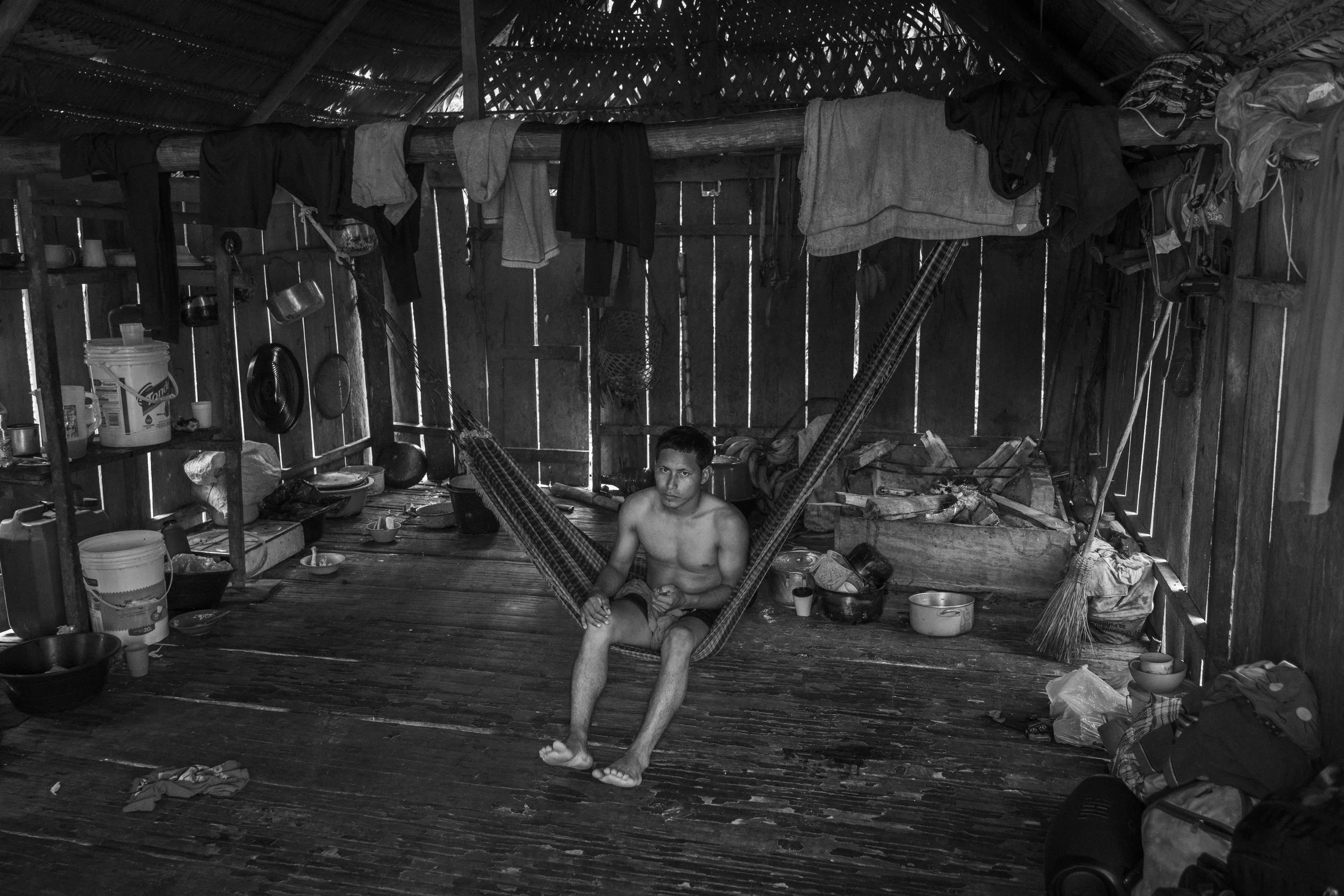
A young Mayoruna man inside his home in Flores village, on the Curuçá River, within the Vale do Javari Indigenous Territory, Brazil.
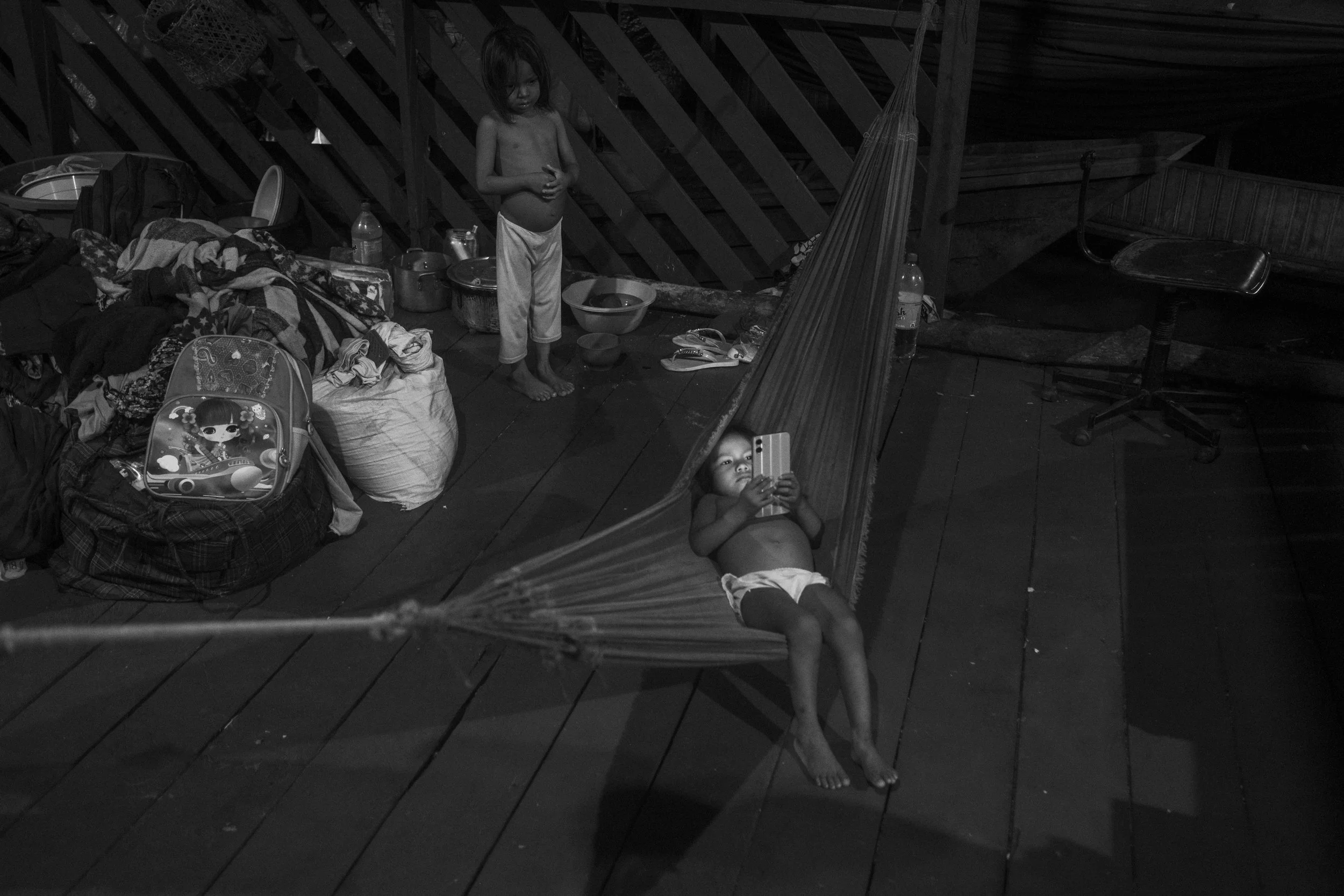
Kanamari children watch content on a smartphone inside a shelter in Atalaia do Norte, the main urban center and gateway to the Vale do Javari Indigenous Territory. Indigenous families regularly travel to the town to access healthcare, buy food, and receive government social benefits. Many, like this family, become stranded in the city for extended periods, living in precarious conditions because they cannot afford the high cost of fuel required to travel back to their remote villages.
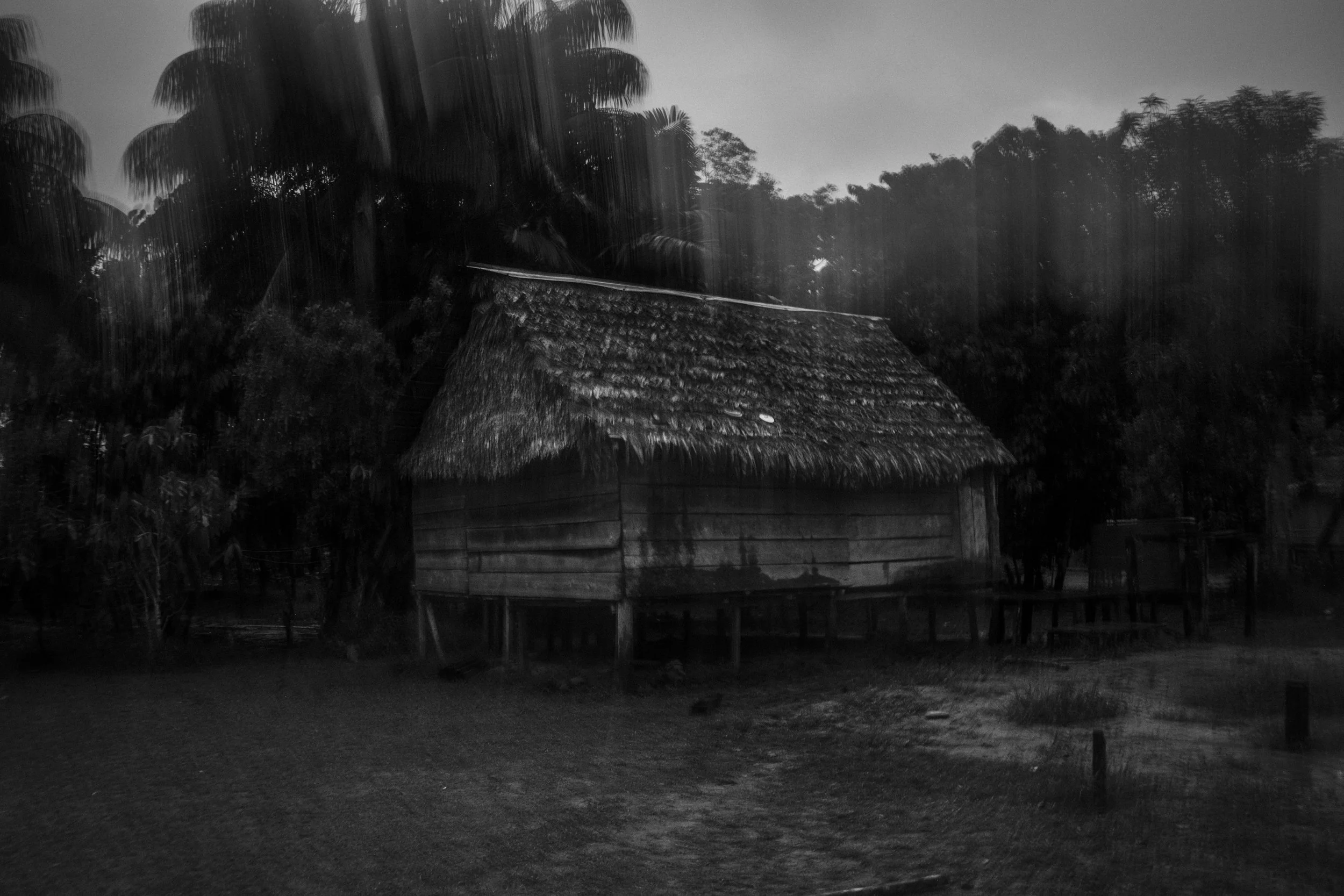
A traditional Mayoruna communal house in Flores village, within the Vale do Javari Indigenous Territory, Amazonas, Brazil.
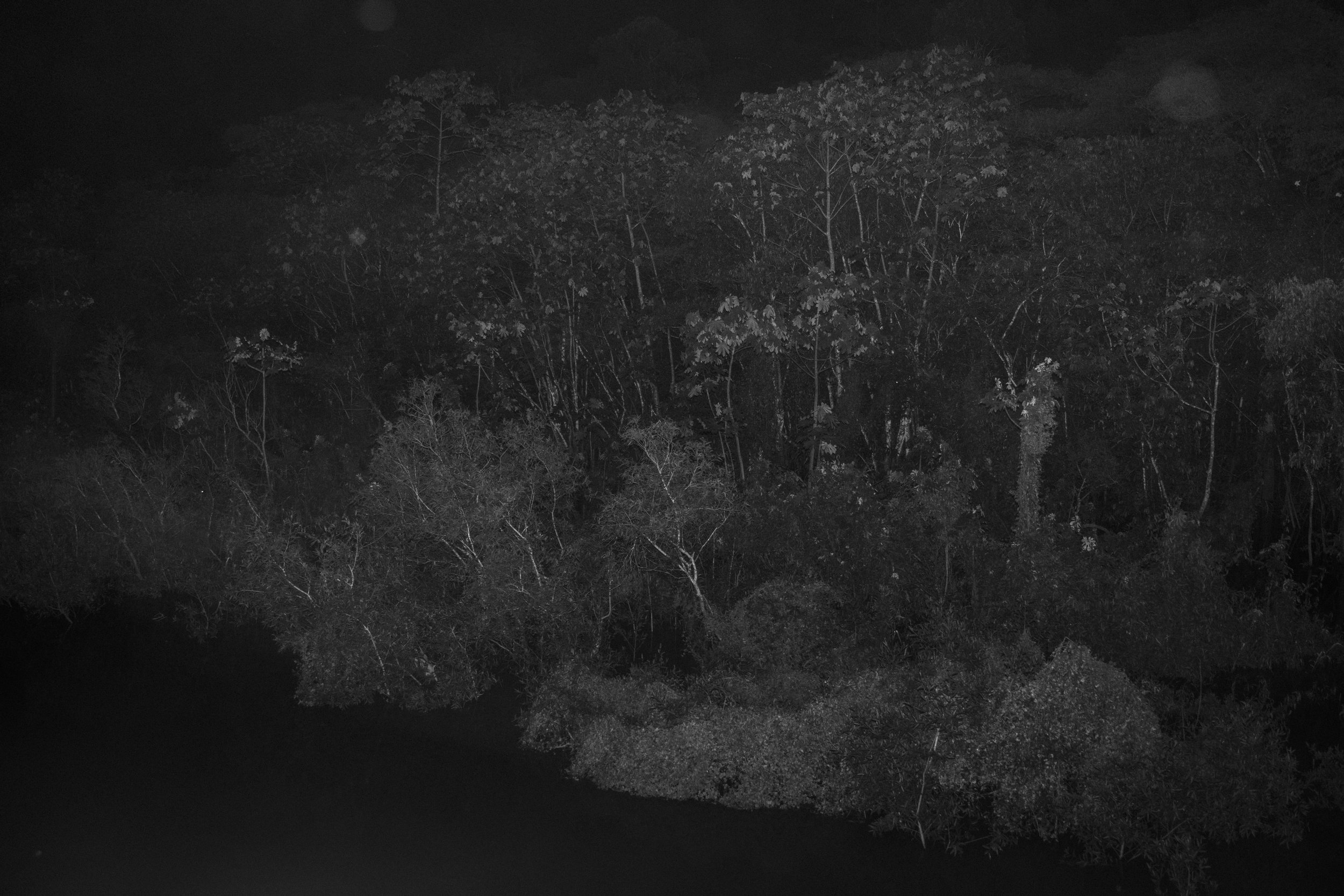
Rainforest vegetation along the Javari River within the Vale do Javari Indigenous Territory, one of the largest protected Indigenous lands in Brazil and home to the world's highest concentration of isolated Indigenous peoples.
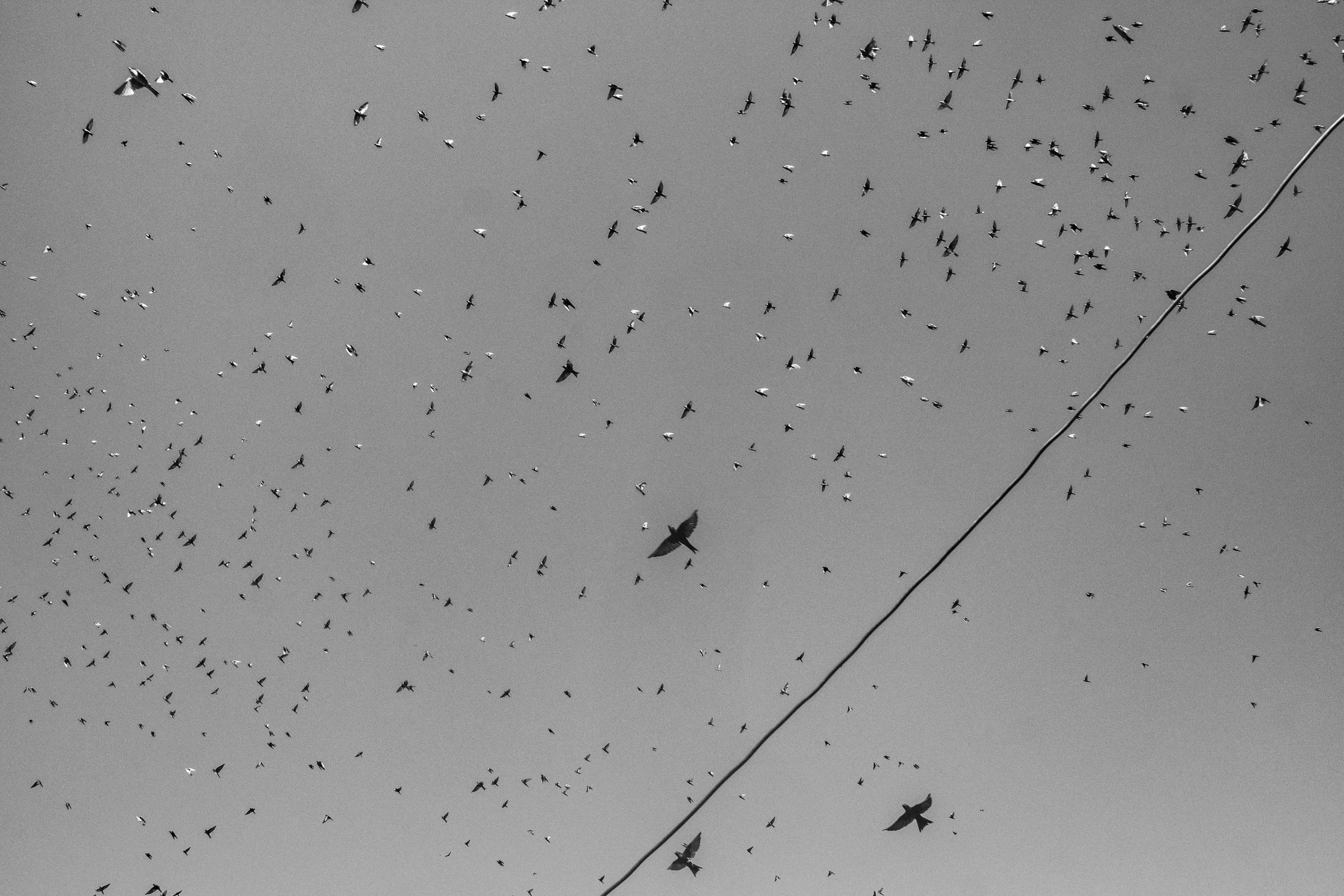
Birds fly over Islandia, a riverine town on the Peruvian side of the Javari River.
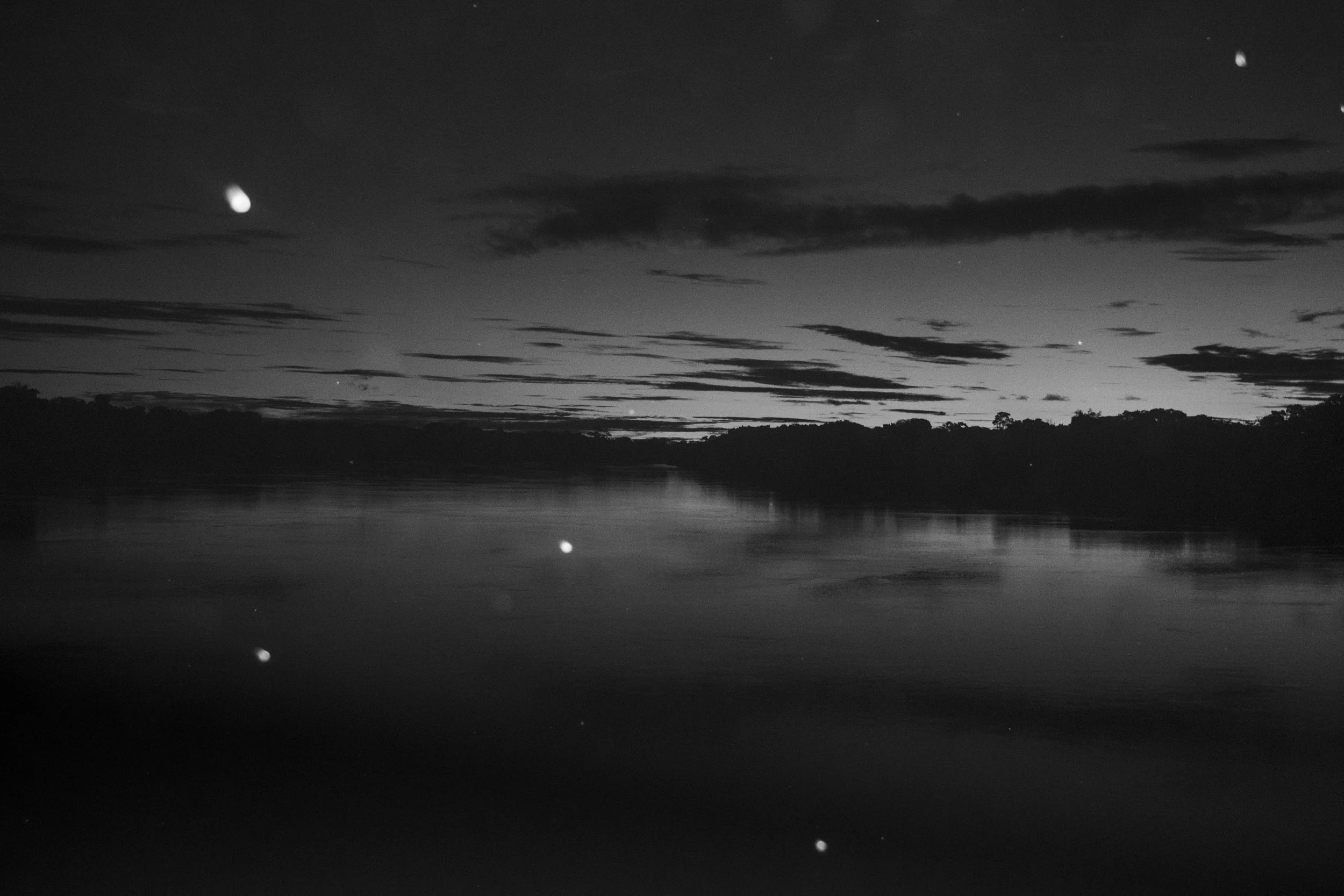
The Javari River within the Vale do Javari Indigenous Territory.

Heavy rain over the Curuçá River in the Vale do Javari Indigenous Territory.
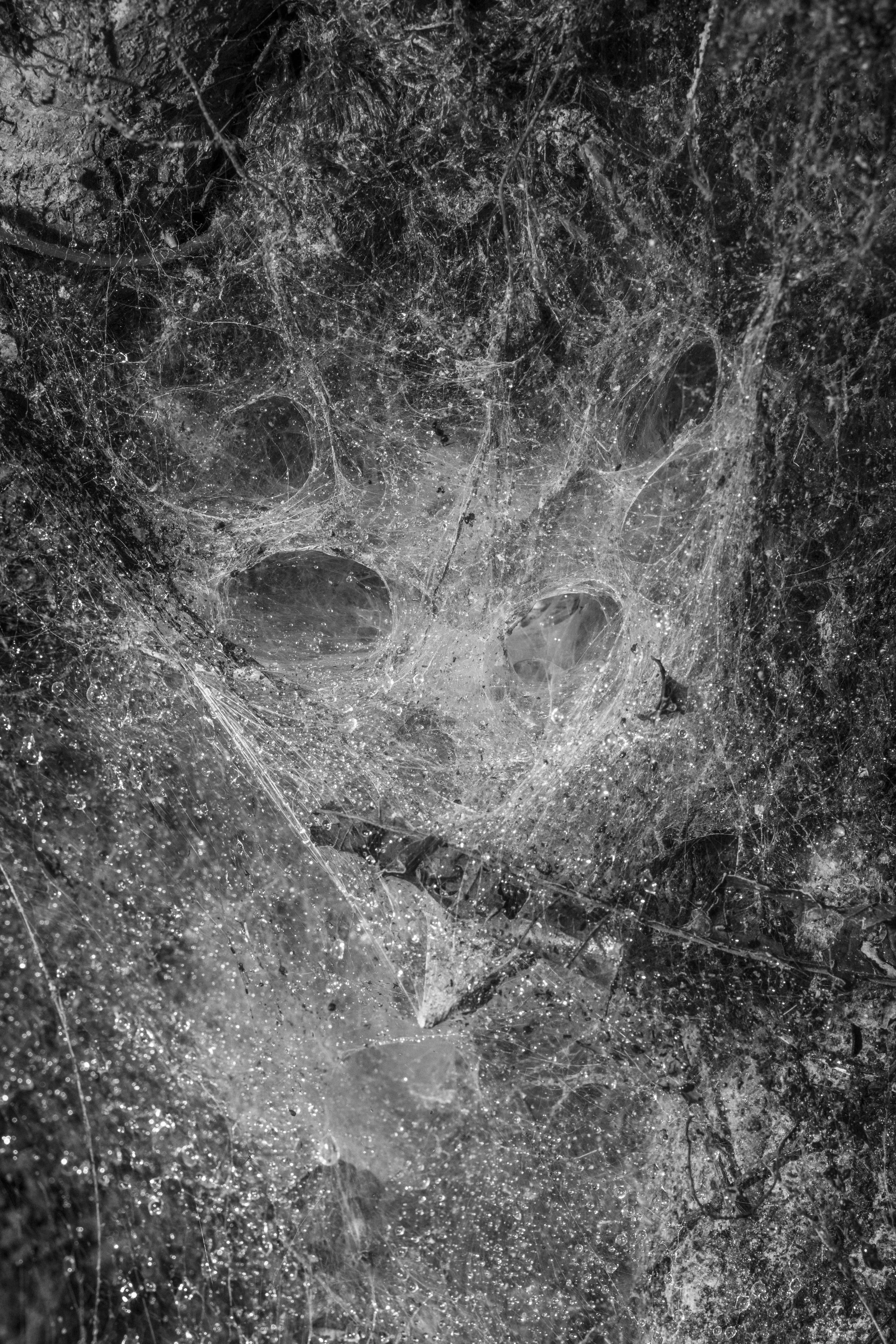
A spider web in the rainforest within the Vale do Javari Indigenous Territory, Brazil.
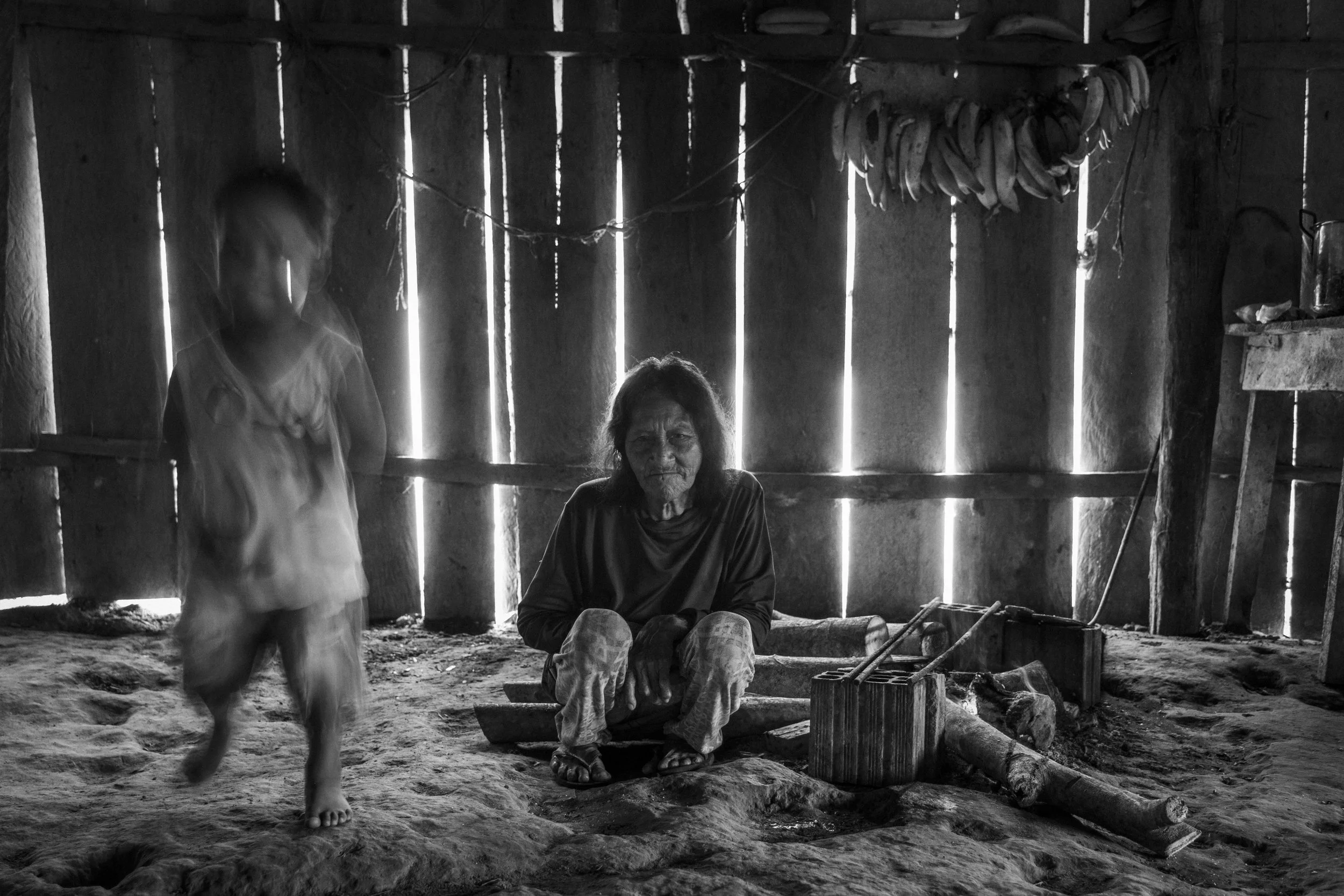
An elderly Mayoruna woman looks on as a child dances inside a communal house in Flores village, within the Vale do Javari Indigenous Territory, Brazil.
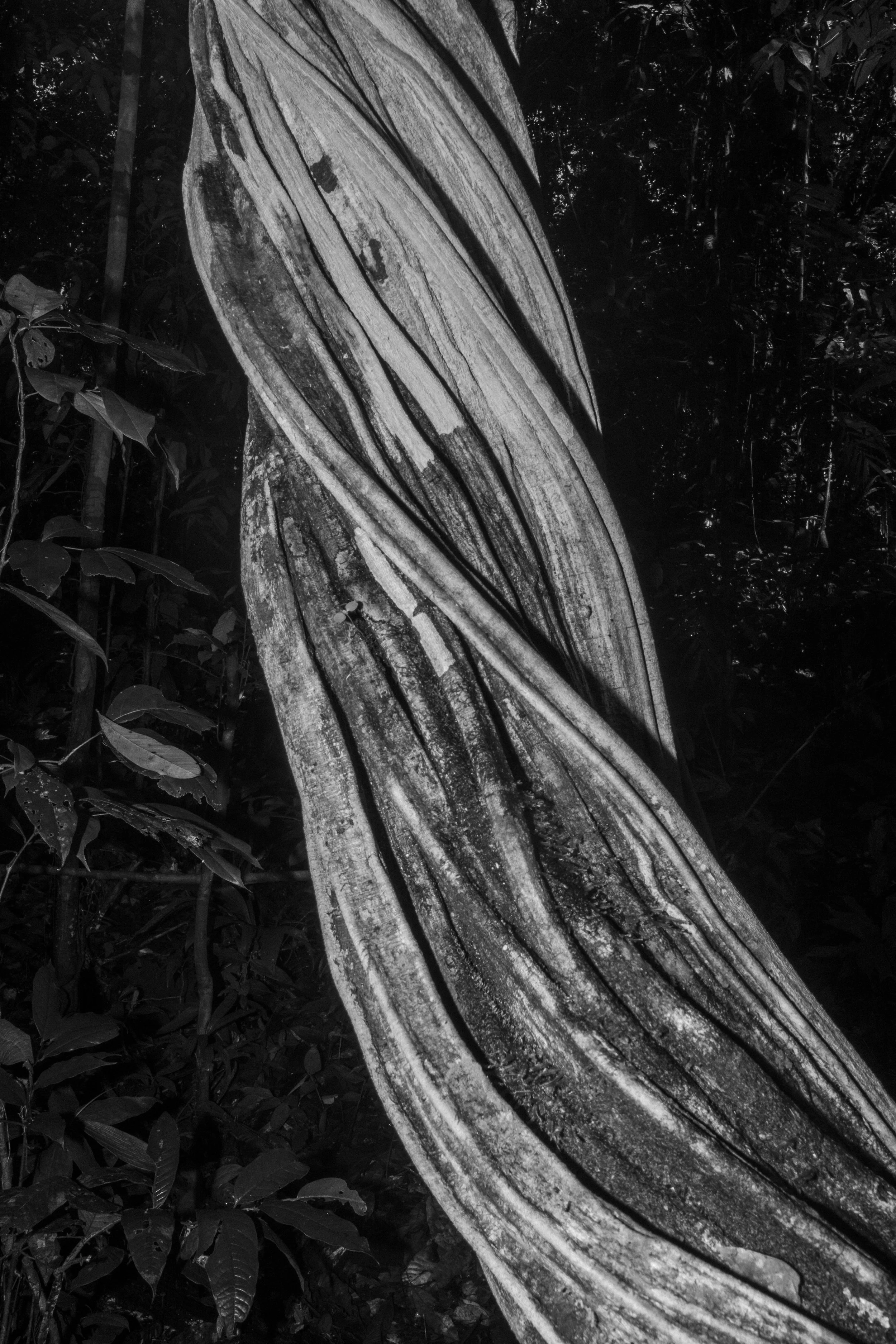
Vegetation in the Vale do Javari Indigenous Territory,
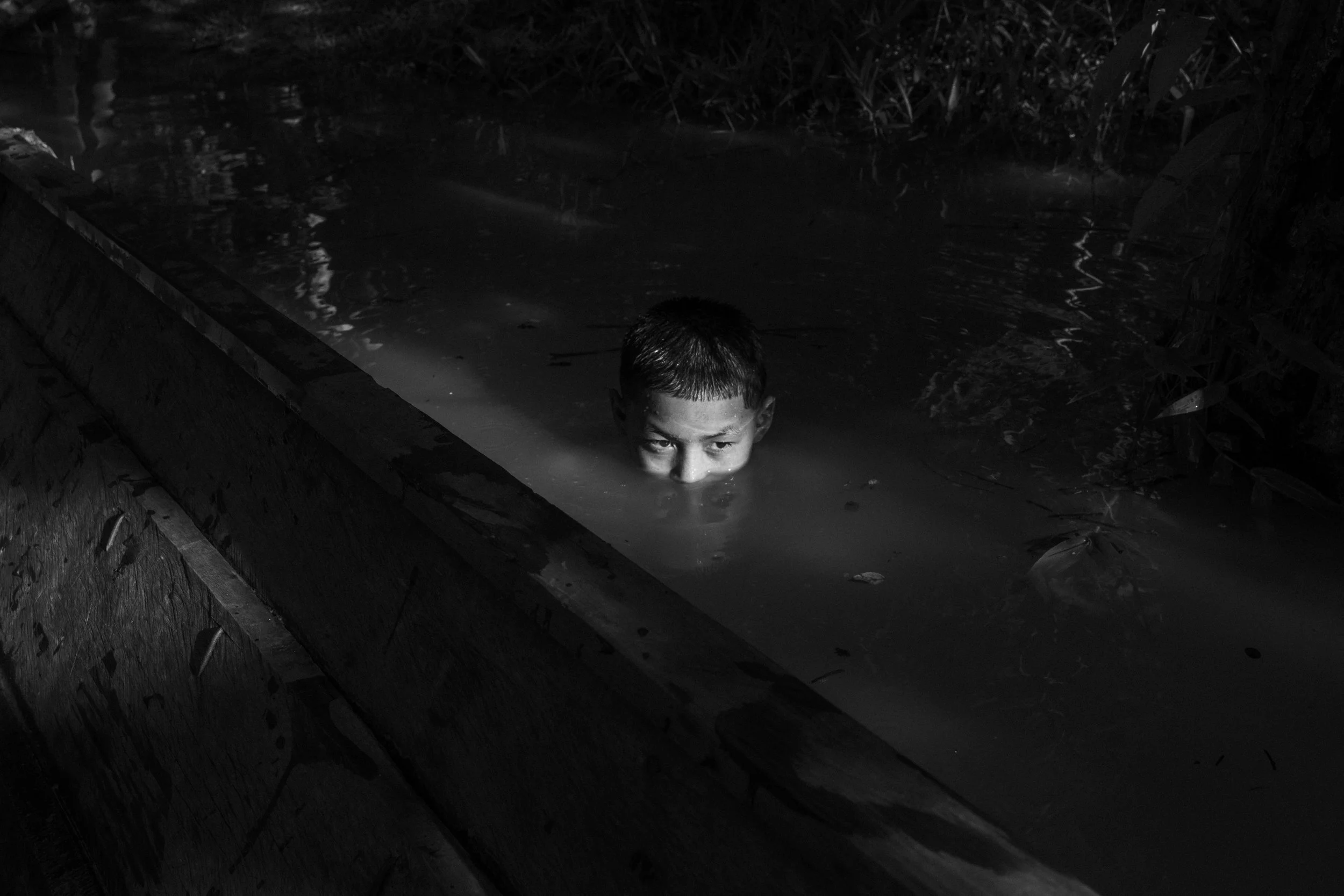
A Mayoruna child swims in the Curuçá River within the Vale do Javari Indigenous Territory.
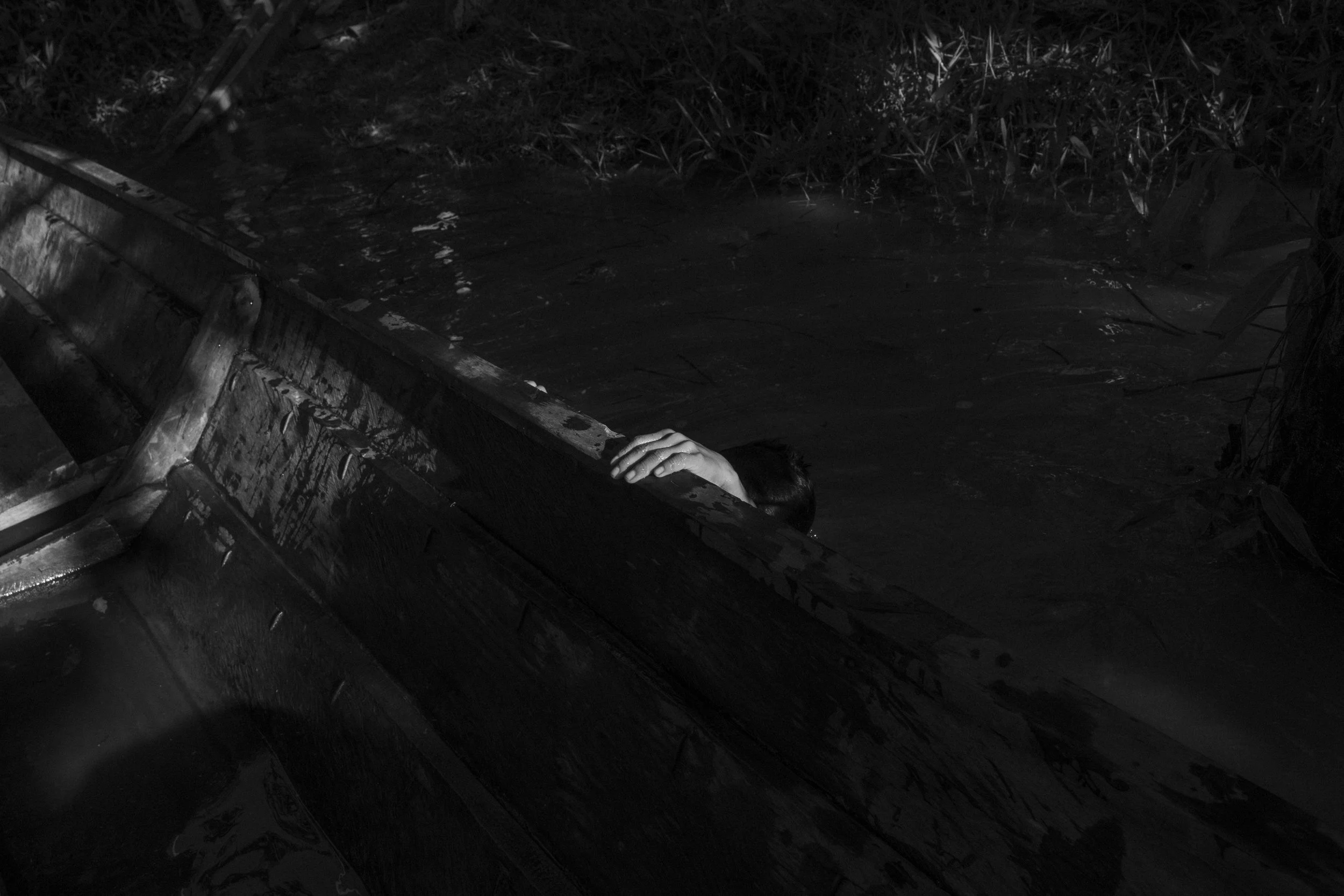
A Mayoruna child swims in the Curuçá River within the Vale do Javari Indigenous Territory.
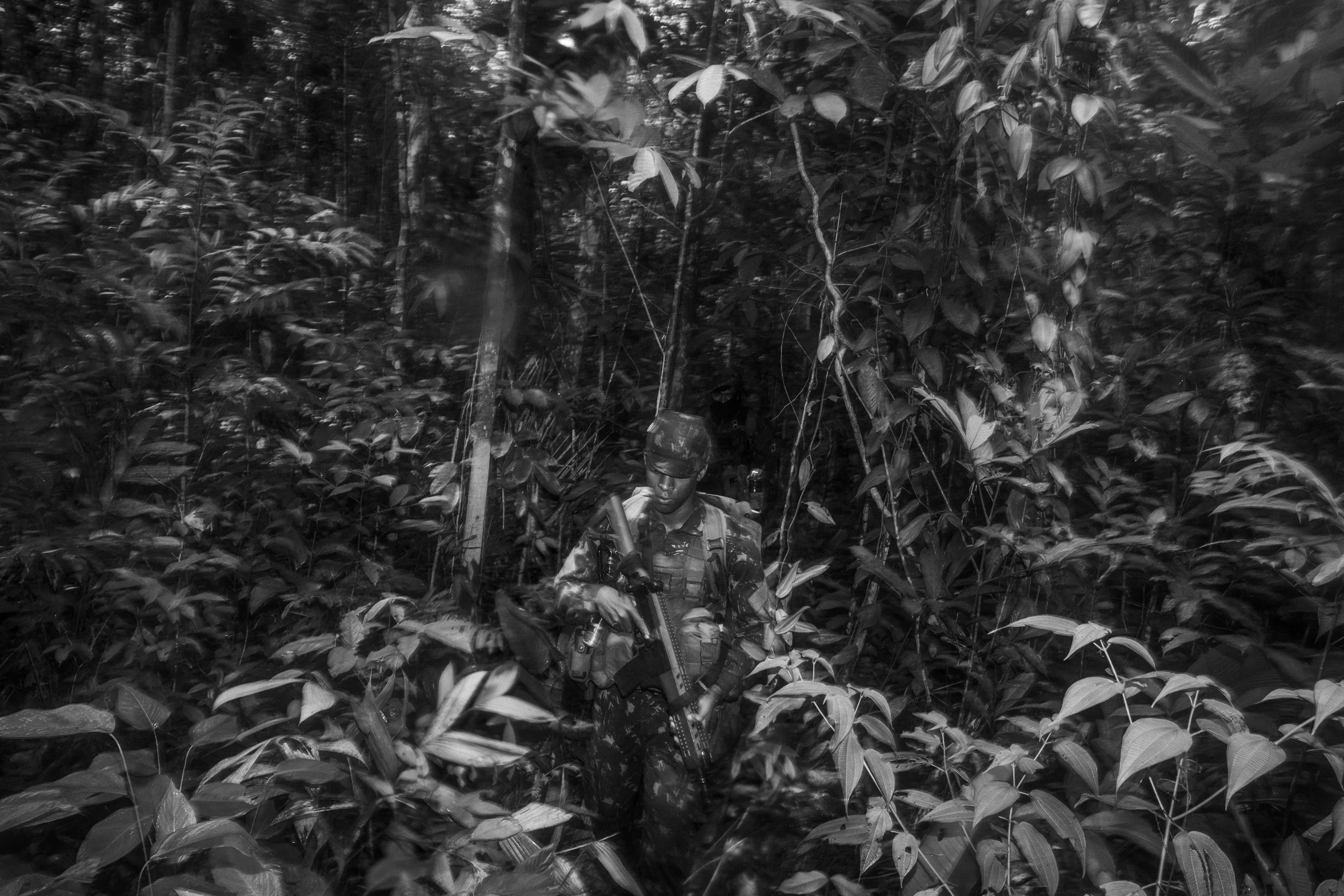
Members of the Brazilian Army’s special forces unit Selva patrol a jungle trail along the Brazilian/Colombian border.
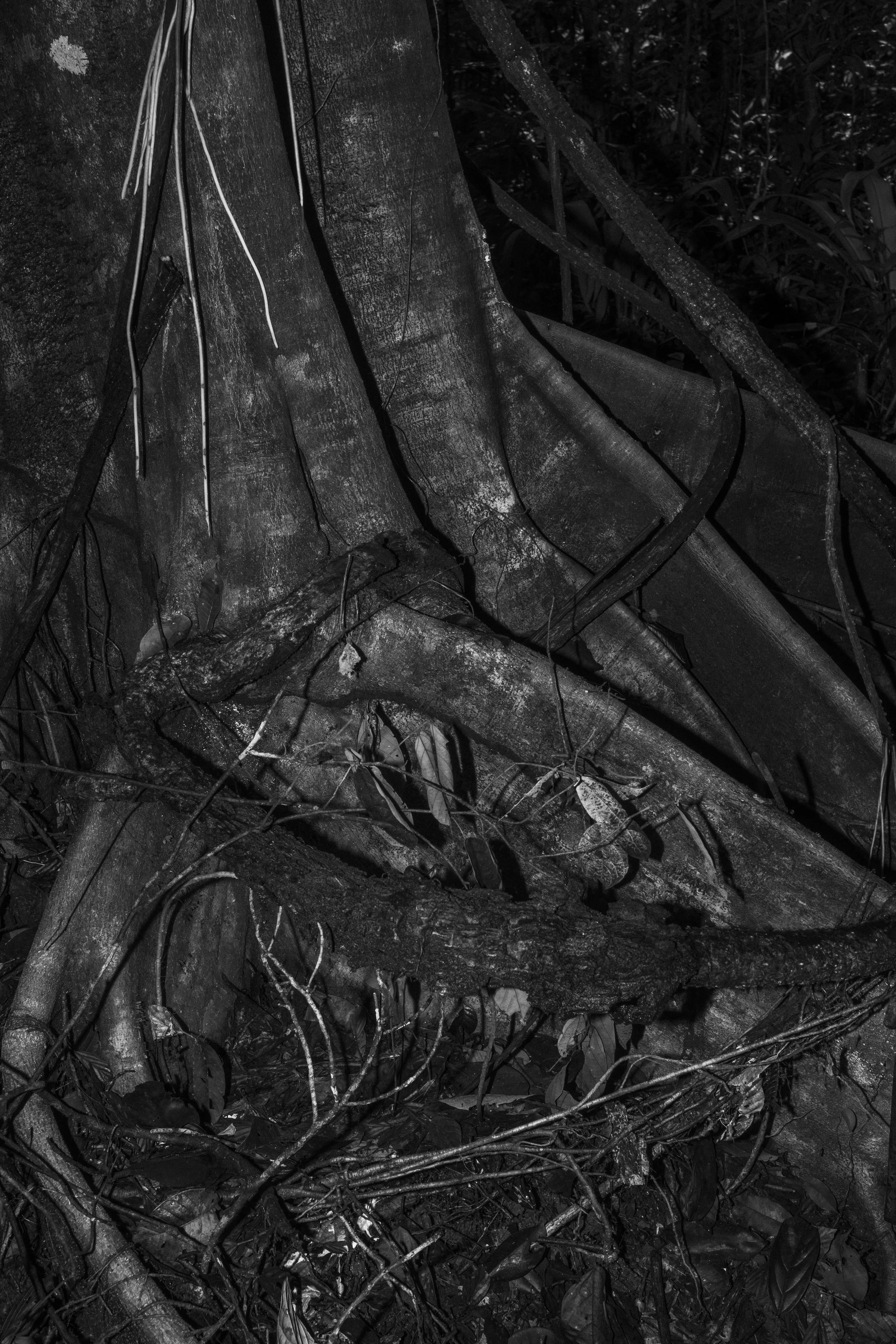
Vegetation in the Vale do Javari Indigenous Territory.
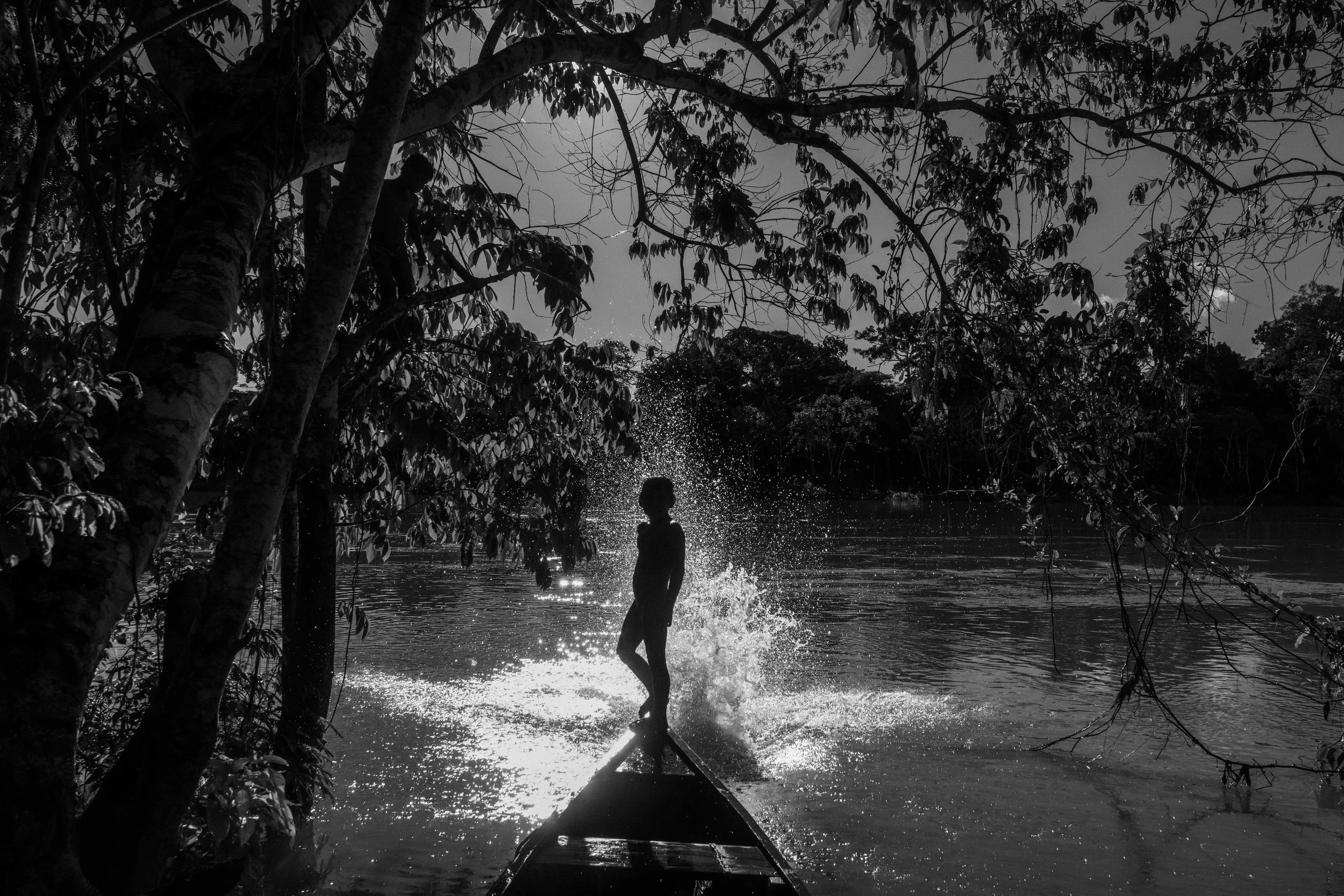
Mayoruna children playing along the Curuçá River inside the Vale do Javari Indigenous Territory, Amazonas, Brazil.
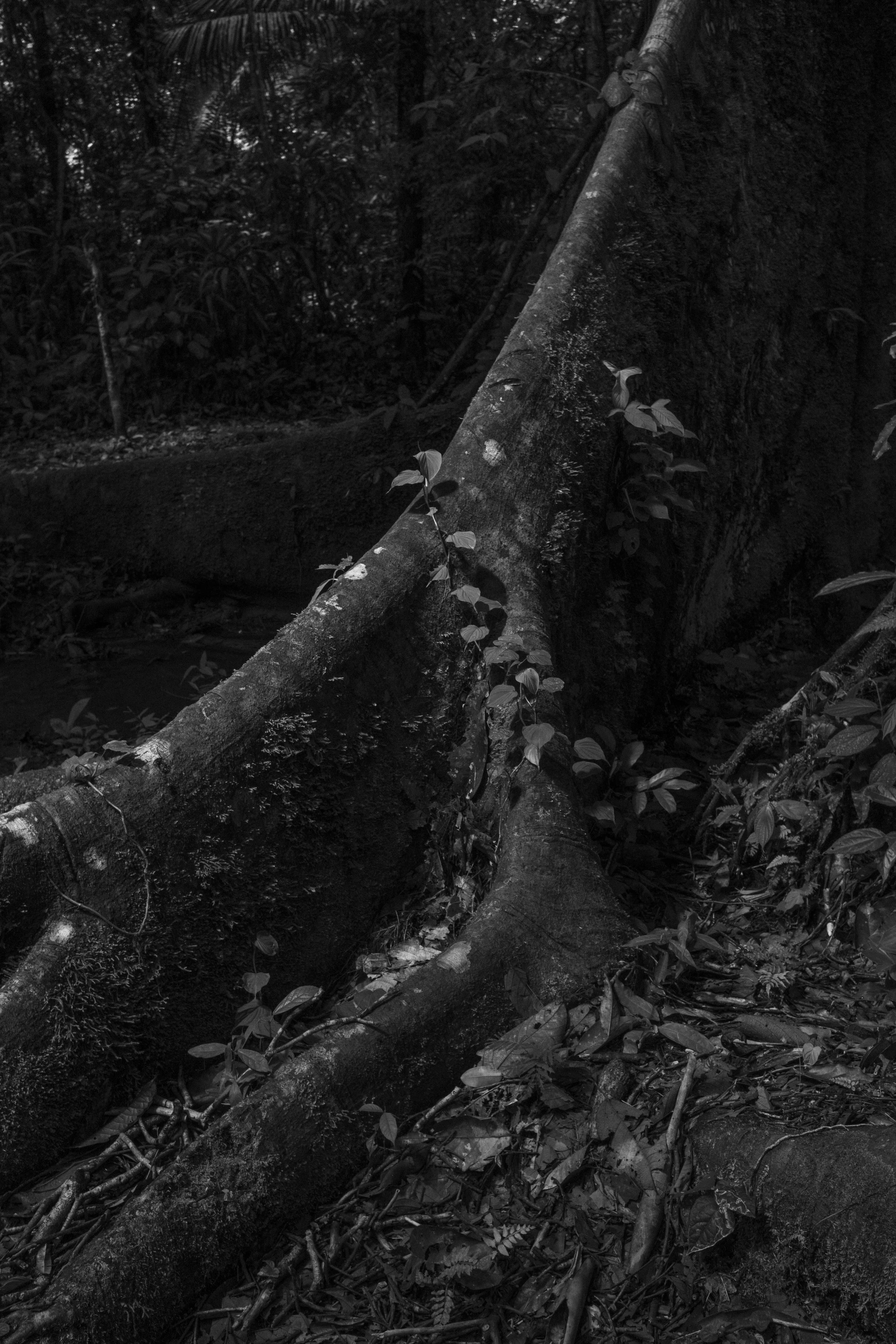
Vegetation in the Vale do Javari Indigenous Territory.
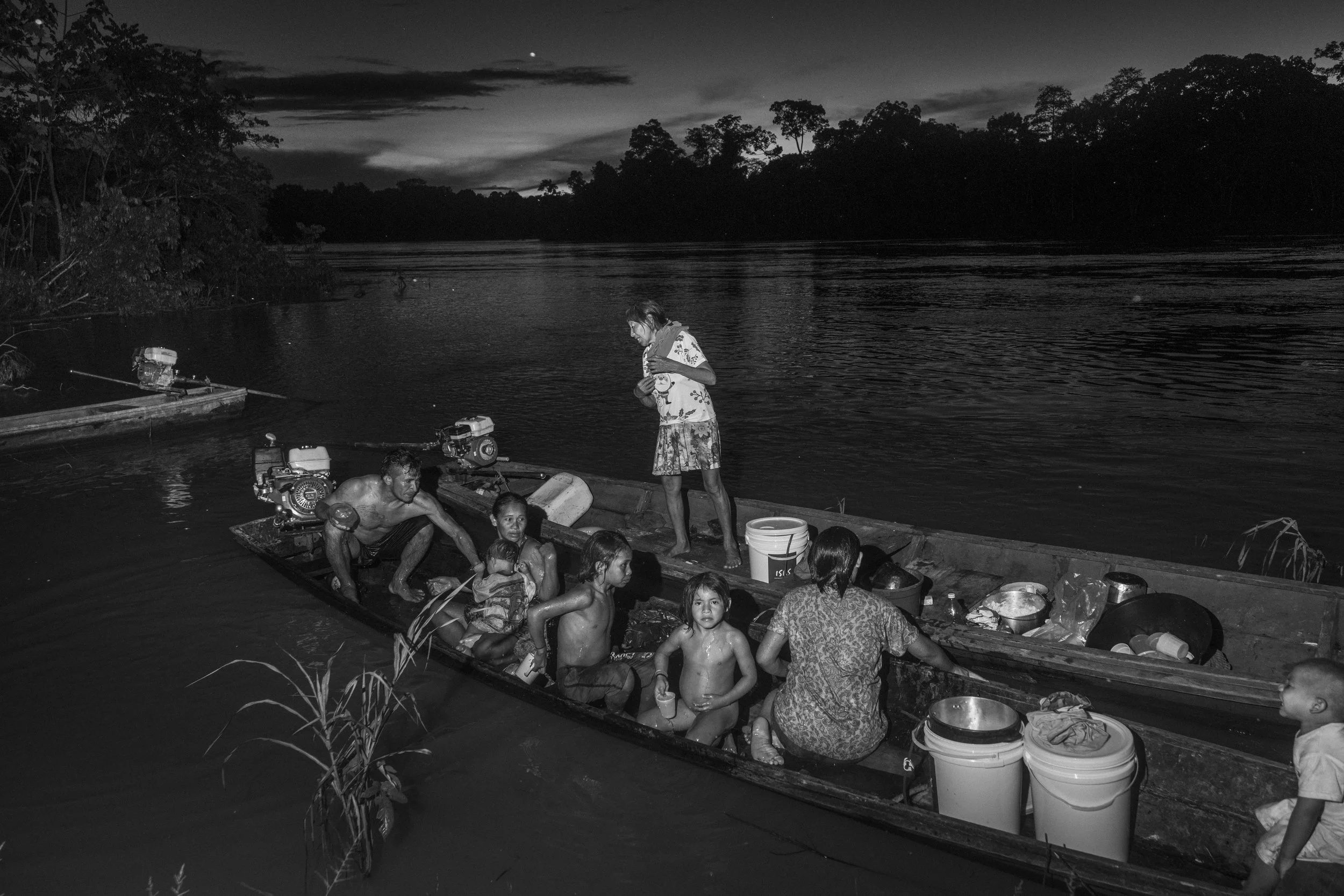
A Mayoruna family washes along the Curuca River from their boat inside the Vale do Javari Indigenous Territory.
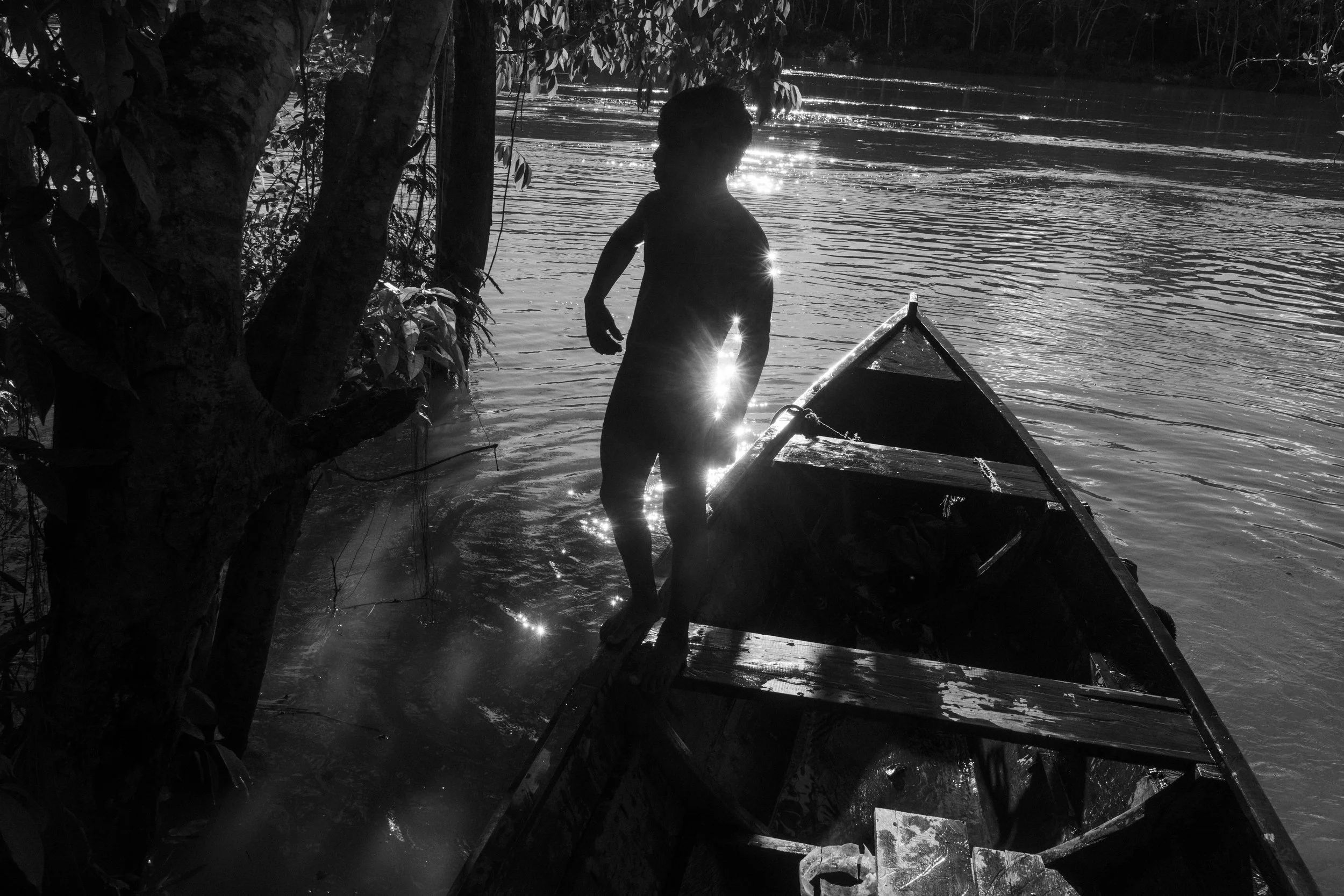
Mayoruna children playing along the Curuçá River inside the Vale do Javari Indigenous Territory, Amazonas, Brazil.
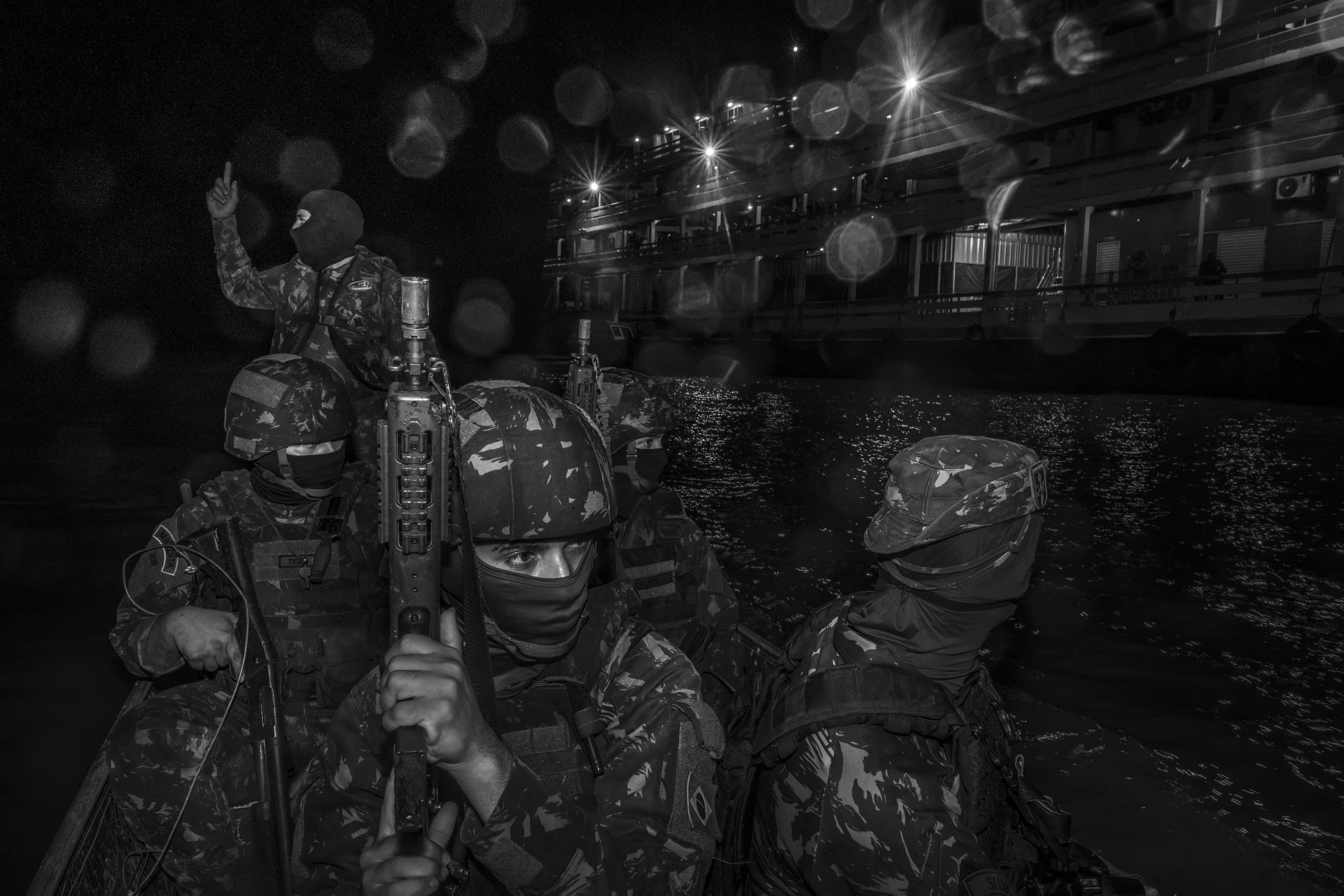
A squad of Brazilian Army soldiers approaches a commercial boat to conduct a search near the community of Capacete. The vessel, carrying passengers, equipment and supplies, travels at night along the Solimões River from Tabatinga toward Manaus as it approaches a Brazilian Army position known as “Ponto Forte” (“Stronghold”), near the confluence of the Javari and Solimões rivers. The military considers the area a strategic checkpoint for intercepting drug shipments moving from the tri-border region toward Manaus and other parts of Brazil. According to the Army, large commercial boats are often used to transport drugs concealed among legitimate cargo, taking advantage of the vessels’ size and volume of goods.
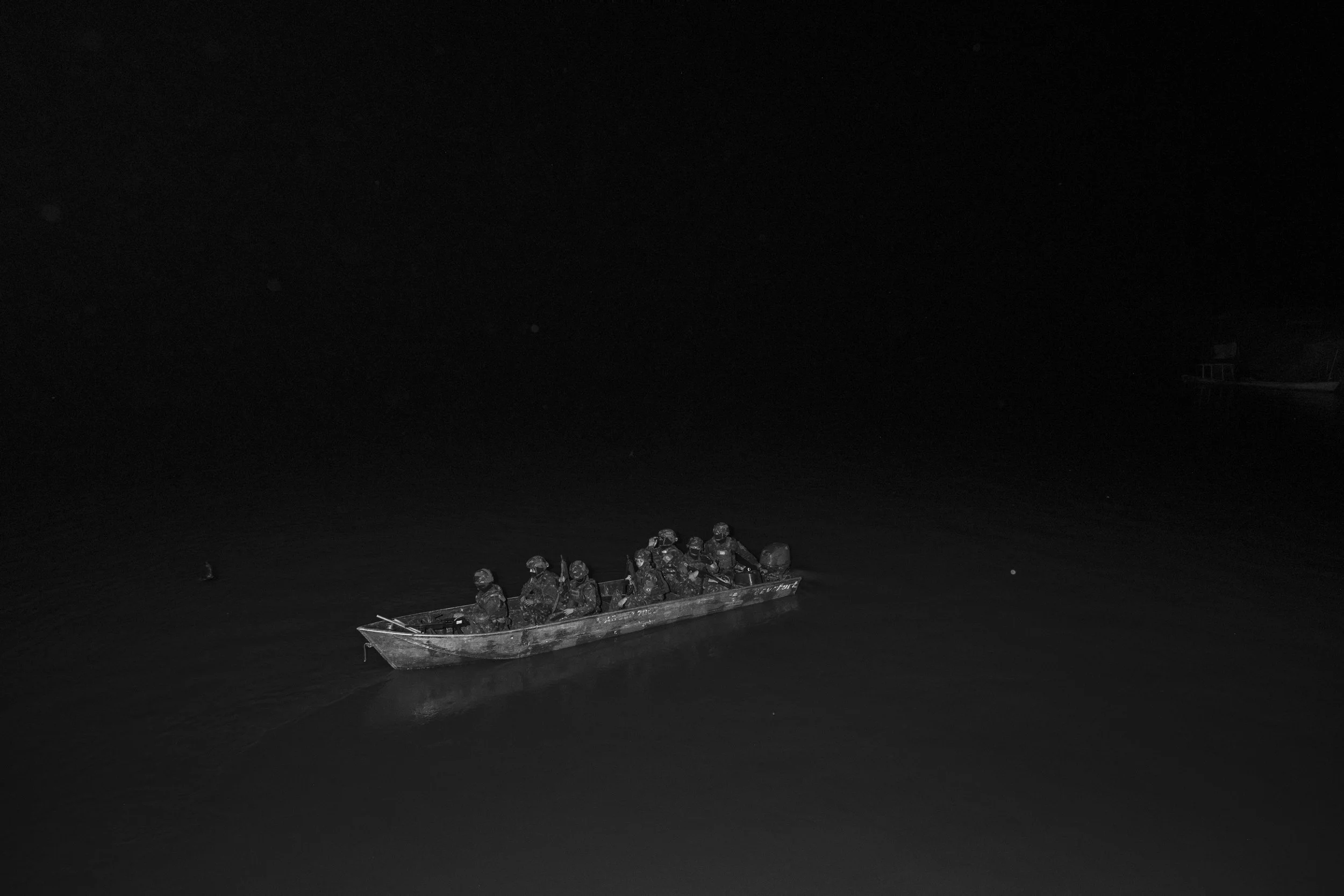
A squad of Brazilian Army soldiers patrols the Solimões River by boat after leaving the riverine community of Capacete, where the Army has established a floating outpost to monitor and inspect vessels navigating the river at night.
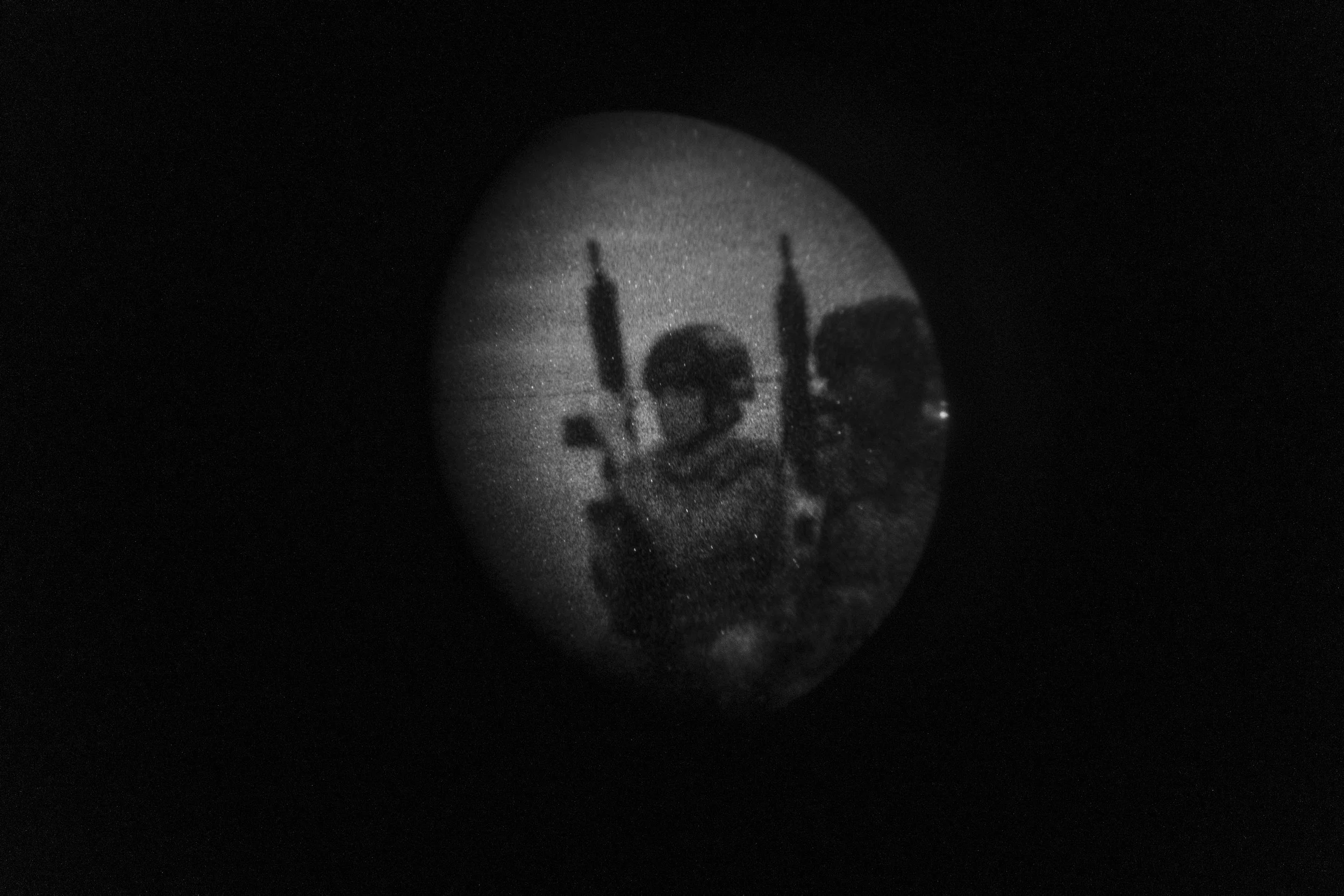
Brazilian soldiers, seen through infrared night-vision binoculars, maintain their position aboard a boat while patrolling the Solimões River, monitoring and intercepting vessels navigating at night. The Army calls this location “Ponto Forte” (“Strong Point”), a strategic position near the confluence of the Solimões and Javari rivers. From here, soldiers monitor illicit activity, particularly drug trafficking, along one of the main routes used to transport narcotics from the tri-border region deeper into Brazil and toward Manaus.
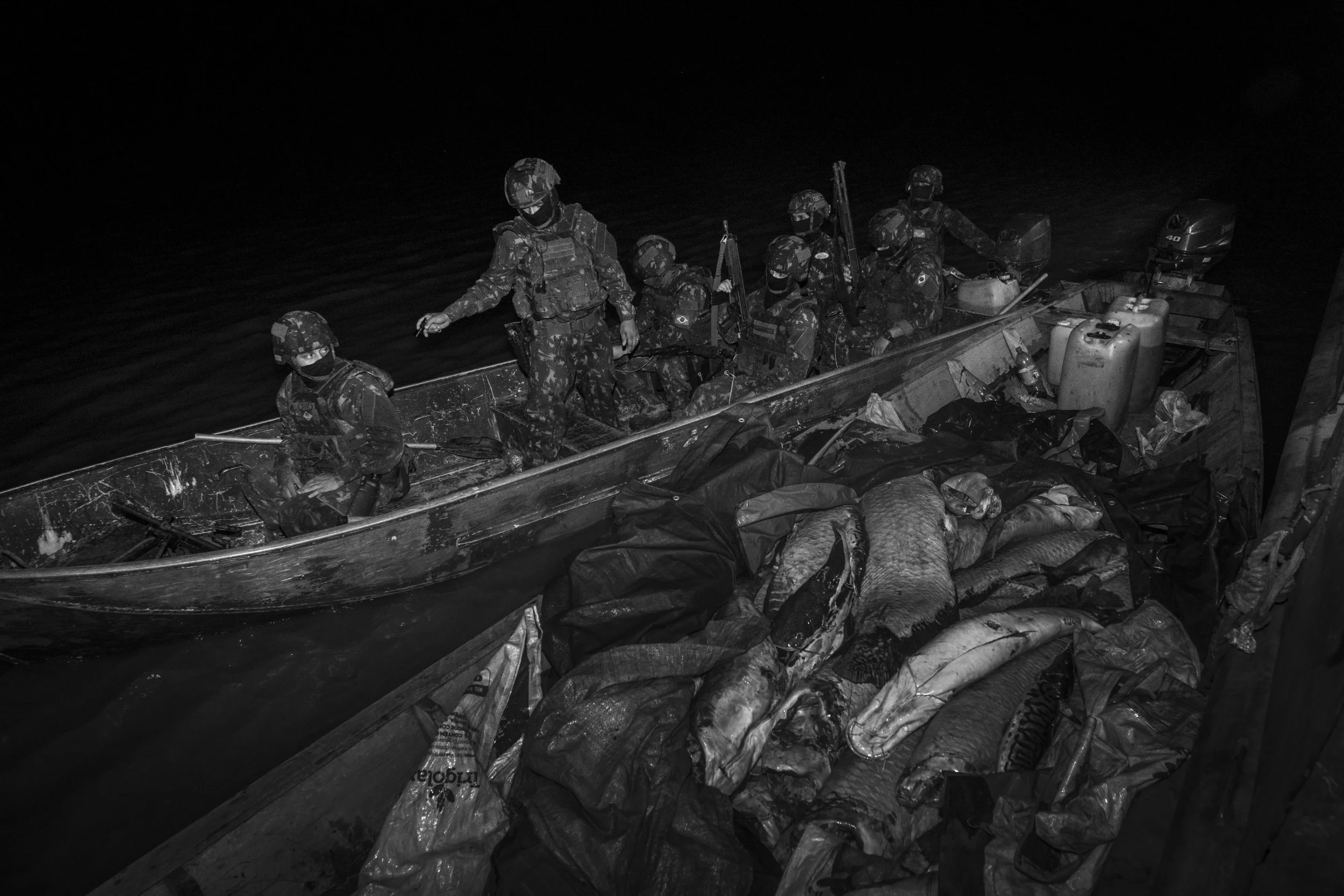
Brazilian Army soldiers intercept a boat carrying two fishermen navigating at night along the Solimões River, near the community of Capacete, and seize a cargo of illegally caught Amazonian fish, including the valuable pirarucu. Illegal fishing is widespread in Brazil’s tri-border region with Colombia and Peru, including fish taken from protected Indigenous territories such as the Vale do Javari, and often overlaps with river routes and criminal networks used for drug trafficking. The interception took place near a military position known as “Ponto Forte” (“Stronghold”), close to the confluence of the Javari and Solimões rivers. The Army considers the area a strategic checkpoint for intercepting illicit river traffic, particularly drug shipments traveling from the tri-border region along the Solimões toward Manaus and other parts of Brazil.
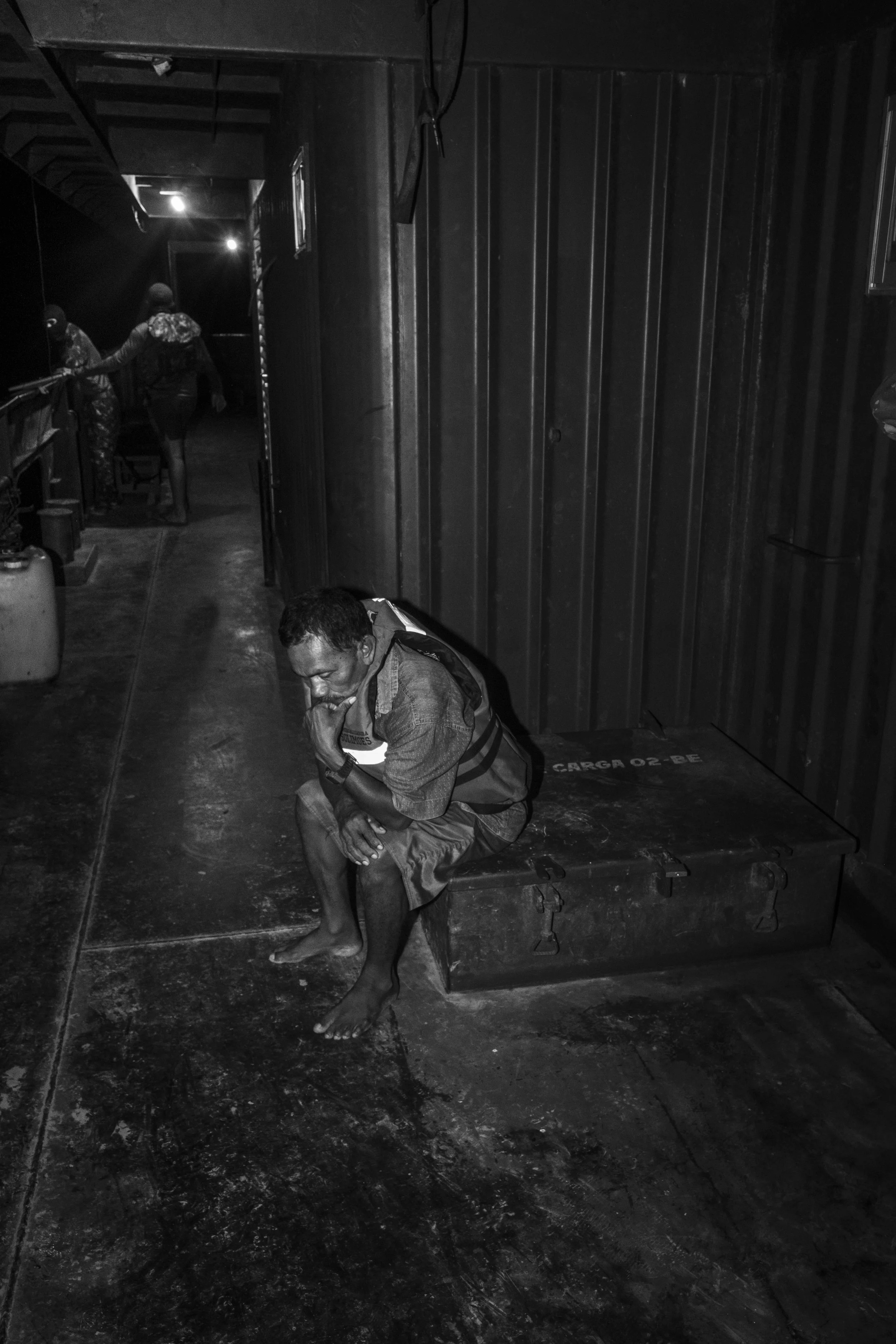
A fisherman waits to be questioned by Brazilian Army soldiers after his boat was intercepted at night on the Solimões River, near the community of Capacete. Soldiers seized a cargo of illegally caught Amazonian fish, including the valuable pirarucu. Illegal fishing is widespread in Brazil’s tri-border region with Colombia and Peru, including fish taken from protected Indigenous territories such as the Vale do Javari. The trade often overlaps with river routes and criminal networks used for drug trafficking.

The reflection of lights from a commercial boat shimmers on the waves of the Solimões River as the vessel travels at night from Tabatinga toward Manaus, near the community of Capacete.